Artificial Grass Business Diary: From First Contact to Trust

From Introduction to Trust: An Artificial Grass Business Diary

Series Introduction

In the world of international trade, many partnerships start with a simple “Hello.”
But turning that greeting into a solid business relationship takes a long and careful journey—product presentations, price discussions, sample delivery, technical exchanges, and terms negotiation.
At each step, trust can grow—or the cooperation can stall.

We are a manufacturer specializing in artificial turf for sports fields, landscaping, and commercial decoration.
In this series, I’d like to share a real story of how one client went from first contacting us to eventually choosing Mango Sports as their supplier.

It’s not a dramatic story, but it reflects the real rhythm of global business communication:

  • From strangers to acquaintances

  • From doubt to recognition

  • From testing to cooperation

I hope this diary helps you get to know Mango Sports better—and that in the future, you might be willing to give us a chance too.

 The First Contact: Introducing Mango Sports

It all started with a message from a potential client overseas.
He was looking for artificial turf for a new sports facility project and came across our company profile online.
He wanted to know if we were a trading company or a real manufacturer, what kind of products we made, and whether our quality could be trusted.

I introduced Mango Sports, explained that we own our factory, and shared some product photos and basic specifications.
This first step wasn’t about closing a deal—it was about showing we are real, professional, and approachable.

Product Selection: Opening the Conversation with Photos and Quotes

The client reviewed the product images I sent and shortlisted several designs he found interesting.
I provided detailed specifications, prices, and usage recommendations.

This stage was simple but important—it allowed the client to see our range, understand our pricing, and start imagining how our products could fit his needs.

Sending Samples: Building Trust Through Action

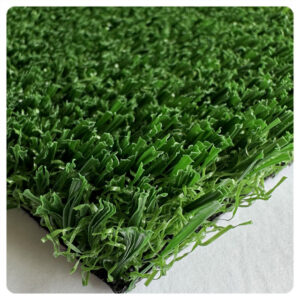
After the initial discussion, the client requested samples for closer inspection.
We prepared the selected turf samples and shipped them via DHL/UPS to his location.

Sending samples isn’t just about showing product quality—it’s also a key trust-building step.
By taking action quickly, providing tracking information, and keeping communication open, we showed that Mango Sports is reliable and easy to work with.

Face-to-Face Discussion: Letting the Product Speak

Once the client received the samples, we scheduled a video meeting.
With the samples in front of both of us, we discussed quality, pricing, and how our products compared to his current supplier’s.

Because of our deep technical knowledge and years of manufacturing experience, we could address his questions in detail and in a friendly manner.
By the end of the call, it was clear that he saw value in working with Mango Sports.

Finding the Balance: Quality and Price

The client tested our samples in his own lab.
The results showed a 98% match with his current turf in terms of height, density, fiber type, colorfastness, and wear resistance.

Even better, our price was 13% lower than his existing supplier.
I explained that this was possible because:

  1. We own our factory – cutting out middleman costs

  2. Stable raw material supply – long-term partnerships with material suppliers

  3. Efficient production processes – reducing waste and increasing output

Although he didn’t say directly that he was satisfied, he started asking about bulk order shipping, lead times, and payment terms—clear signs that we were moving forward.

The Foundation of Cooperation: Trust

After months of communication, the client placed his first order with us.
It wasn’t a huge quantity, but it was a big milestone—it meant he trusted MangoSports enough to give us a real opportunity.

From sending product photos to delivering the first shipment, every step strengthened our relationship.
We were no longer just names in each other’s inbox—we had become partners in the same supply chain.

Business Cooperation

Buy artificial turf in China, choose Mango Sports.

Series Conclusion – The Value of Trust

Looking back, the most important thing we gained wasn’t just an order—it was trust.

In international trade, price, quality, and delivery times matter, but trust is what keeps partnerships alive for the long term.

At Mango Sports, we keep things simple:

  • Stable, reliable products

  • Transparent, reasonable pricing

  • Sincere, patient communication

We believe cooperation is not a one-time transaction—it’s a journey.
And that journey begins the moment you send us your first message.

If you are looking for a real manufacturer with competitive pricing and dependable service,
Mango Sports welcomes you.
Perhaps the next story will be ours.

Ask For Free Sample

Artificial Turf Trends 2025

Artificial Turf Trends 2025: What Architects, Developers, and Buyers Want

As sustainability, smart urban planning, and water conservation reshape the construction industry, artificial turf is experiencing a renaissance—not just in sports fields, but in commercial, residential, and rooftop environments. This article explores key 2025 trends, backed by industry data and how Mango Sports is responding with scalable, eco-conscious solutions.

1. Market Outlook: Steady Growth, Expanding Demand

  • In 2024, the global artificial turf market was valued at $3.92 billion. By 2025, it’s projected to exceed $4.18 billion, with a CAGR of 6.5%.

  • Long-term forecasts predict the market reaching $5.28 billion by 2029 and up to $8.92 billion by 2033, driven by climate concerns and sports infrastructure investments.

  • North America remains the fastest-growing region, with CAGR exceeding 18% from 2025–2033.

2. Expanding Use Cases: Sports, Commercial, Residential

Application Area Market Share / Trend
Sports Fields Still the largest segment (~54–56% globally)
Commercial Spaces Rapid growth (e.g., malls, parks, rooftop greens)
Residential Yards Demand up 35%, driven by low maintenance & droughts

The shift towards multi-functional landscaping is transforming turf design—architects now look beyond athletics to integrate turf into high-rise rooftops, retail green zones, and eco-homes.

3. Sustainability and ESG: Key Buyer Considerations

  • Water-saving: Up to 65,000 gallons saved per year compared to natural grass in U.S. homes.

  • Low VOCs, non-toxic coatings, and recyclable backings are increasingly required for ESG-conscious buyers.

  • In Europe, recycling regulations are pushing manufacturers to offer closed-loop systems like Greenfields’ GBN-AGR.

4. Innovation in Materials and Design

  • Polyethylene (PE) turf yarn leads the market (52% share), due to its softness and durability.

  • Non-infill systems are gaining adoption, especially in schools and rooftop settings.

  • Smart turf systems (UV-resistant, heat-sensitive, self-cleaning) are emerging in R&D pipelines.

  • Nano-fiber mesh backings and color-shifting yarns are being tested for improved realism and seasonal adaptability.

Insight: Product differentiation in 2025 will hinge on combining tactile performance with environmental compliance.

5. Mango Sports: Positioned to Lead in 2025 and Beyond

Mango Sports is strategically aligned with the evolving needs of architects, developers, and procurement teams:

AdvantageMango Sports Solution
High Capacity2,000,000 m² annual output ensures rapid, large-volume fulfillment
Material InnovationPremium PE fibers with UV resistance, anti-bacterial coatings, and non-infill options
Sustainability FocusRecyclable systems, VOC-free adhesives, water-saving designs
Diverse ApplicationsSports, rooftops, playgrounds, hospitality, pet areas
Turnkey ServiceOEM customization, logistics coordination, QC documentation, sample support

6. What Buyers Should Look for in 2025 Projects

Buyer TypeKey 2025 Considerations
ArchitectsVisual realism, multi-functional turf, LEED-compliant materials
DevelopersQuick-install systems, low maintenance, ROI on water & labor savings
Municipal/SchoolsNon-infill systems, safety-certified turf, shock-absorbing pads
DistributorsFast production, OEM private label options, high resale potential

Pro Tip: Mango Sports provides full material specs, performance test reports, and installation support.

7. Supporting Data Chart: Global Turf Market Growth

Artificial Turf Global Market Size (USD Billion)

YearMarket
20202.9 B
20223.4 B
20243.92 B
20254.18 B
20295.28 B
20338.92 B (Forecast)

Pro Tip: Mango Sports provides full material specs, performance test reports, and installation support.

Conclusion: Designing the Green Future

“2025 is not just about better turf—it’s about smarter landscapes, greener buildings, and resilient cities.”

With rising environmental scrutiny and functional design expectations, artificial turf is no longer a niche sports surface—it’s an urban infrastructure solution.

Mango Sports stands ready with scalable production, advanced R&D, and multi-use turf systems to meet tomorrow’s challenges today.

Want to Get Ahead?

Reach out to Mango Sports for:

  • 📦 Free samples

  • 📄 Product data sheets

  • 🤝 Distributor & OEM opportunities

  • 🏗 Project design consultations

Let’s co-create greener, more beautiful spaces—field by field, rooftop by rooftop.

Chinese vs. Local Artificial Grass: Quality & Cost

Comparing Quality: Chinese vs. Local Artificial Grass

Artificial grass has become an increasingly popular choice for homeowners and businesses alike, providing a low-maintenance and aesthetically pleasing alternative to natural grass. As the demand for synthetic grass grows, the market has expanded with options from various suppliers, including those based in China and local producers. In this article, we will delve into the quality differences between Chinese and local artificial grass, helping you make an informed decision for your landscaping needs.

Artificial grass was originally developed for sports fields, but over the years, its use has expanded to residential lawns, commercial properties, and public spaces. The benefits are clear: artificial grass requires no watering, mowing, or fertilizing, and it remains green and vibrant all year round. This has led to an increase in demand, with suppliers around the world, including a significant number from China, vying for a share of the market.

The Appeal of Chinese Artificial Grass

Cost-Effectiveness

Chinese suppliers have carved out a niche in the artificial grass market by offering products at a lower price point. This cost-effectiveness is often due to lower production costs and economies of scale. For many consumers, the appeal of saving money can be a strong motivator when choosing artificial grass suppliers.

Cost-Effectiveness

China is known for its manufacturing prowess and ability to produce a wide variety of products. This extends to artificial grass, where Chinese manufacturers offer a range of options in terms of texture, color, and pile height. Additionally, some Chinese suppliers are at the forefront of innovation, introducing new technologies and materials to improve the durability and appearance of their synthetic grass products.

Considerations When Importing Artificial Grass from China

While the cost savings and variety offered by Chinese artificial grass suppliers can be attractive, there are several factors to consider before making a purchase:

Quality Assurance

One of the primary concerns when importing artificial grass from China is ensuring the quality of the product. While many reputable suppliers produce high-quality synthetic grass, there are also risks of encountering subpar products that may not meet your expectations or standards. It is crucial to thoroughly vet suppliers and request samples before committing to a purchase.

Compliance with Standards

Different countries have varying standards and regulations regarding artificial grass. When importing from China, it is essential to ensure that the product complies with local safety and environmental standards. This may include checking for certifications related to the use of heavy metals, flame retardants, and other potentially hazardous materials.

Shipping and Logistics

Different countries have varying standards and regulations regarding artificial grass. When importing from China, it is essential to ensure that the product complies with local safety and environmental standards. This may include checking for certifications related to the use of heavy metals, flame retardants, and other potentially hazardous materials.

Compliance with Standards

Different countries have varying standards and regulations regarding artificial grass. When importing from China, it is essential to ensure that the product complies with local safety and environmental standards. This may include checking for certifications related to the use of heavy metals, flame retardants, and other potentially hazardous materials.

The Advantages of Local Artificial Grass

Quality and Assurance

Local artificial grass suppliers often have the advantage of being more accessible, allowing for easier quality checks and communication. Local products may also come with guarantees or warranties, providing added peace of mind regarding the longevity and performance of the artificial grass.

Environmental Considerations

Local suppliers are typically more familiar with the environmental standards and regulations in their region, ensuring that their products are compliant. This can be particularly important for environmentally conscious consumers who want to minimize their ecological footprint.

Supporting the Local Economy

Purchasing artificial grass from local suppliers contributes to the local economy, supporting businesses and jobs within your community. This can be an important consideration for those who prioritize local sourcing and sustainability.

Making the Right Choice:

When deciding between Chinese and local artificial grass, it is essential to weigh the pros and cons of each option based on your specific needs and priorities. Here are some factors to consider:

Budget

If cost is a primary concern, Chinese artificial grass may offer a more affordable option. However, it is important to balance cost savings with quality assurance to ensure that you are getting a product that meets your expectations.

Quality and Durability

For those who prioritize quality and durability, local artificial grass suppliers may be the better choice. With easier access to samples and warranties, you can have greater confidence in the product’s performance and longevity.

Environmental and Ethical Considerations

Consider the environmental impact and ethical implications of your choice. Local suppliers may offer products that are more environmentally friendly and compliant with regional standards. Additionally, supporting local businesses can have positive economic and social effects on your community.

Conclusion

Choosing between Chinese and local artificial grass suppliers involves carefully considering various factors, including cost, quality, compliance, and personal values. By thoroughly researching and weighing your options, you can make an informed decision that best suits your landscaping needs and aligns with your priorities. Whether you choose to import from China or buy locally, artificial grass remains a practical and attractive solution for enhancing your outdoor spaces.

Comparing Quality: Chinese vs. Local Artificial Grass

Artificial grass has become an increasingly popular choice for homeowners and businesses alike, providing a low-maintenance and aesthetically pleasing alternative to natural grass. As the demand for synthetic grass grows, the market has expanded with options from various suppliers, including those based in China and local producers. In this article, we will delve into the quality differences between Chinese and local artificial grass, helping you make an informed decision for your landscaping needs.

Artificial grass was originally developed for sports fields, but over the years, its use has expanded to residential lawns, commercial properties, and public spaces. The benefits are clear: artificial grass requires no watering, mowing, or fertilizing, and it remains green and vibrant all year round. This has led to an increase in demand, with suppliers around the world, including a significant number from China, vying for a share of the market.

The Appeal of Chinese Artificial Grass

Cost-Effectiveness

Chinese suppliers have carved out a niche in the artificial grass market by offering products at a lower price point. This cost-effectiveness is often due to lower production costs and economies of scale. For many consumers, the appeal of saving money can be a strong motivator when choosing artificial grass suppliers.

Variety and Innovation

China is known for its manufacturing prowess and ability to produce a wide variety of products. This extends to artificial grass, where Chinese manufacturers offer a range of options in terms of texture, color, and pile height. Additionally, some Chinese suppliers are at the forefront of innovation, introducing new technologies and materials to improve the durability and appearance of their synthetic grass products.

Considerations When Importing Artificial Grass from China

Cargo ship importing goodsWhile the cost savings and variety offered by Chinese artificial grass suppliers can be attractive, there are several factors to consider before making a purchase:

Quality Assurance

One of the primary concerns when importing artificial grass from China is ensuring the quality of the product. While many reputable suppliers produce high-quality synthetic grass, there are also risks of encountering subpar products that may not meet your expectations or standards. It is crucial to thoroughly vet suppliers and request samples before committing to a purchase.

Compliance with Standards

Different countries have varying standards and regulations regarding artificial grass. When importing from China, it is essential to ensure that the product complies with local safety and environmental standards. This may include checking for certifications related to the use of heavy metals, flame retardants, and other potentially hazardous materials.

Shipping and Logistics

Importing artificial grass from China involves navigating the complexities of international shipping and logistics. Buyers must consider shipping costs, delivery times, and potential customs duties when calculating the total cost and feasibility of importing synthetic grass.

The Advantages of Local Artificial Grass

Quality and Assurance

Local artificial grass suppliers often have the advantage of being more accessible, allowing for easier quality checks and communication. Local products may also come with guarantees or warranties, providing added peace of mind regarding the longevity and performance of the artificial grass.

Environmental Considerations

Local suppliers are typically more familiar with the environmental standards and regulations in their region, ensuring that their products are compliant. This can be particularly important for environmentally conscious consumers who want to minimize their ecological footprint.

Supporting the Local Economy

Purchasing artificial grass from local suppliers contributes to the local economy, supporting businesses and jobs within your community. This can be an important consideration for those who prioritize local sourcing and sustainability.

Making the Right Choice: 

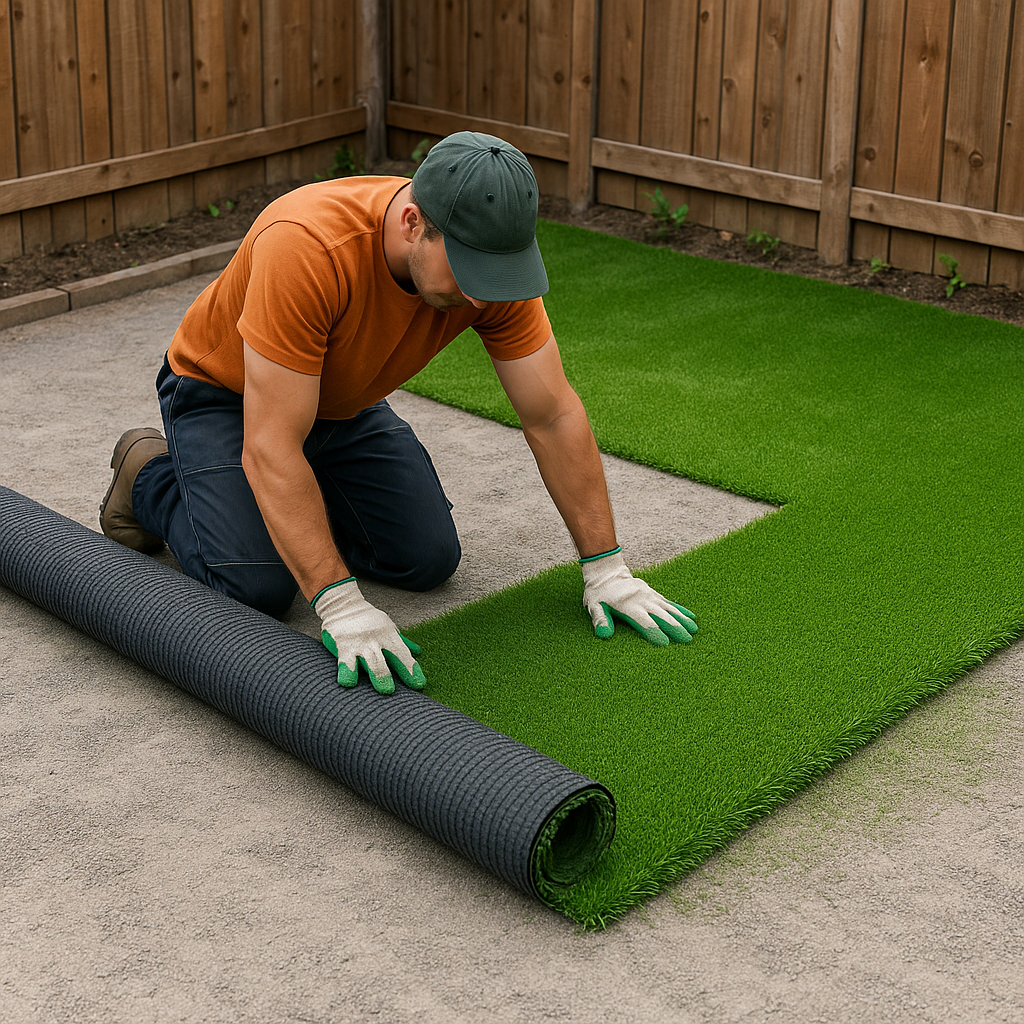
Artificial grass installation in progressWhen deciding between Chinese and local artificial grass, it is essential to weigh the pros and cons of each option based on your specific needs and priorities. Here are some factors to consider:

Budget

If cost is a primary concern, Chinese artificial grass may offer a more affordable option. However, it is important to balance cost savings with quality assurance to ensure that you are getting a product that meets your expectations.

Quality and Durability

For those who prioritize quality and durability, local artificial grass suppliers may be the better choice. With easier access to samples and warranties, you can have greater confidence in the product’s performance and longevity.

Environmental and Ethical Considerations

Consider the environmental impact and ethical implications of your choice. Local suppliers may offer products that are more environmentally friendly and compliant with regional standards. Additionally, supporting local businesses can have positive economic and social effects on your community.

Conclusion

Choosing between Chinese and local artificial grass suppliers involves carefully 

considering various factors, including cost, quality, compliance, and personal values. By thoroughly researching and weighing your options, you can make an informed decision that best suits your landscaping needs and aligns with your priorities. Whether you choose to import from China or buy locally, artificial grass remains a practical and attractive solution for enhancing your outdoor spaces.

Synthetic Sports Turf for Sports Fields – MangoSports Grass

Synthetic Sports Turf for Sports Fields - Mango Sports Grass

When it comes to creating the perfect sports field, choosing the right playing surface is crucial. For decades, natural grass has been the conventional choice due to its aesthetic appeal and natural feel. However, maintaining natural grass in pristine condition requires significant resources, which has led many to consider alternatives. Today, artificial grass is becoming increasingly popular due to its practicality and performance benefits. Let’s delve into the world of artificial grass for sports fields and understand why it might be the right choice for your facility.

Artificial grass offers the opportunity to create a consistent playing surface that can withstand intense use and various weather conditions. This technology has evolved to provide surfaces that are visually appealing and functionally superior, making it a strong contender against traditional grass fields. As environmental concerns grow and the demand for sustainable solutions increases, artificial grass presents a viable option for sports facilities worldwide.

What is Artificial Grass?

Artificial grass, also known as synthetic grass or artificial turf, is a surface made from synthetic fibers designed to look and feel like natural grass. Initially used in sports arenas, artificial turf is now also used in residential lawns and commercial applications. Its versatility and adaptability have made it a preferred choice for various applications beyond sports fields, including playgrounds and landscaping projects.

How is it Made?

Artificial grass is made from a combination of polyethylene, polypropylene, or nylon fibers. These fibers are designed to mimic the look of natural grass. The fibers are attached to a backing material, which provides stability and support. The surface is then filled with sand or rubber granules to provide cushioning and support. The manufacturing process involves precise engineering to ensure the fibers are durable and can withstand UV exposure and heavy use.

The construction of artificial grass involves several layers, each contributing to the performance and longevity of the turf. The backing material is often made from a strong, water-resistant fabric, ensuring the grass maintains its shape and doesn’t tear easily. The infill material, usually a mix of sand and rubber, provides the necessary bounce and resilience, closely mimicking natural soil’s impact absorption properties.

Benefits of Artificial Grass for Sports Fields

Artificial grass offers several advantages over natural grass, making it a popular choice for sports fields worldwide. These benefits extend beyond just the athletes, impacting the facility’s overall management and operational costs.

Durability and Longevity

Artificial grass is incredibly durable and can withstand heavy foot traffic. Unlike natural grass, it doesn’t get worn out or patchy. This makes it ideal for sports fields that see constant use. Additionally, artificial turf has a long lifespan, often lasting 10 to 15 years with proper maintenance. The ability to endure harsh weather and frequent play without significant wear makes it a reliable option for facilities that host multiple events and teams.

The resilience of artificial grass ensures that the playing surface remains consistent, reducing the need for frequent repairs or reseeding. This durability not only enhances the quality of play but also extends the field’s usability, allowing for more games and practices to be scheduled without downtime.

Low Maintenance

One of the biggest advantages of artificial grass is its low maintenance requirements. Unlike natural grass, it doesn’t need to be mowed, watered, or fertilized. This can save sports facilities significant time and money in maintenance costs. The reduction in labor and resource requirements allows facility managers to allocate their budgets more efficiently, potentially enhancing other aspects of the sports experience.

Additionally, the consistent quality of artificial grass means less time spent on regular upkeep and more time available for other critical tasks. The predictable maintenance schedule can also help facilities better manage their operations, as they won’t need to account for unexpected downtimes caused by adverse weather or field damage.

Weather Resistance

Artificial turf can be used in all weather conditions. It doesn’t get muddy or waterlogged, meaning games can continue even after heavy rain. This ensures that sports fields remain in play throughout the year, regardless of the weather. The drainage systems integrated into the turf design allow water to quickly pass through, keeping the surface dry and safe for athletes.

The ability to withstand extreme temperatures and varying climate conditions without deteriorating is another key advantage. Whether it’s scorching heat or freezing cold, artificial grass maintains its integrity and performance, offering a reliable playing surface at all times.

Environmental Impact

While artificial grass offers many practical benefits, it’s important to consider its environmental impact. The debate around synthetic turf’s ecological footprint is ongoing, with both positive and negative aspects to be considered.

Water Conservation

One of the most significant environmental benefits of artificial grass is water conservation. Traditional grass fields require a lot of water to stay green and healthy. In contrast, artificial turf requires no watering, making it an eco-friendly choice in areas prone to drought. This reduction in water usage is especially beneficial in regions facing water scarcity, contributing to more sustainable water management practices.

Furthermore, the financial savings from reduced water consumption can be substantial for sports facilities, allowing them to invest in other environmentally friendly initiatives. The shift to artificial turf can significantly lower the overall environmental impact of maintaining a sports field, aligning with broader sustainability goals.

Chemical-Free Maintenance

Natural grass fields often require fertilizers and pesticides to maintain their appearance. These chemicals can have harmful effects on the environment. Artificial grass eliminates the need for these chemicals, reducing the environmental footprint of sports fields. By removing the dependency on chemical treatments, facilities can prevent the leaching of harmful substances into the soil and water systems, promoting a healthier ecosystem.

The absence of chemical maintenance also benefits human health, reducing the risk of exposure for athletes, staff, and spectators. This makes artificial grass a safer choice for sports facilities striving to create a healthier playing environment.

Recycling and Disposal

At the end of its lifespan, artificial grass needs to be disposed of or recycled. While many manufacturers are working on creating recyclable turf, this is an area that still needs improvement. It’s important to consider the disposal options available when choosing artificial grass for sports fields. The development of recycling programs for synthetic turf is an ongoing effort, with the goal of minimizing landfill waste and maximizing material reuse.

Facilities can contribute to sustainable practices by selecting turf products that incorporate recycled materials or are designed for easy recycling. Collaborating with manufacturers and recycling companies can lead to innovative solutions that address the disposal challenges of artificial grass.

Types of Artificial Turf for Sports Fields

There are different types of artificial turf available, each designed for specific sports and activities. Choosing the right type of turf is essential for the safety and performance of athletes. Understanding the specific needs of each sport ensures that the field not only meets performance standards but also enhances the player experience.

Football and Soccer Fields

For football and soccer fields, a longer pile height is usually preferred to provide cushioning and reduce the risk of injury. These fields often use rubber infill to add softness and resilience. The combination of pile height and infill material helps in creating a surface that mimics the natural grass experience, allowing for optimal ball control and player movement.

Selecting the appropriate turf for these sports involves considering factors such as player speed, agility, and the typical impact of the game. The right artificial grass can enhance the overall experience by providing a consistent and safe playing environment, reducing the likelihood of injuries.

Tennis Courts

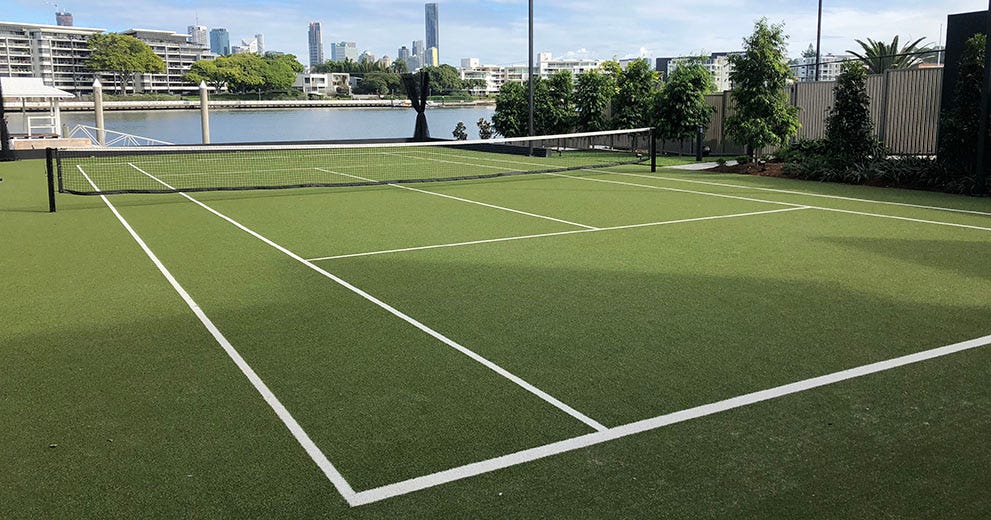
Artificial grass for tennis courts is typically shorter and denser. This provides a firm surface that allows for consistent ball bounce and performance. The design ensures that the ball behaves predictably, allowing players to perform at their best. The shorter fibers also facilitate quick drainage, ensuring the court remains playable even after rain.

The choice of artificial turf for tennis courts can influence the pace of the game, requiring careful consideration of the court’s intended use and player preferences. It provides a low-maintenance alternative to traditional clay or grass courts, offering a durable surface that withstands frequent play.

Golf Courses

Golf courses require a very short and smooth turf to allow golf balls to roll predictably. Artificial grass for putting greens is specially designed to mimic the characteristics of natural grass. This precision in design ensures that the turf provides the true roll and speed that golfers expect, contributing to an authentic playing experience.

The use of artificial grass on golf courses extends beyond putting greens to driving ranges and practice areas. It offers a consistent surface that remains unaffected by weather conditions, allowing for year-round play and reducing maintenance efforts significantly.

Installation and Maintenance

Installing artificial grass involves several steps to ensure a high-quality playing surface. Proper installation is crucial to maximize the turf’s longevity and performance, requiring expertise and attention to detail.

Installation Process

  1. Site Preparation: The area is cleared of any existing grass or debris. This step is essential to ensure a smooth base and prevent any irregularities in the final surface.
  2. Base Construction: A layer of crushed stone is laid down and compacted to create a stable base. This foundation supports the turf and ensures proper drainage, crucial for maintaining the integrity of the playing surface.
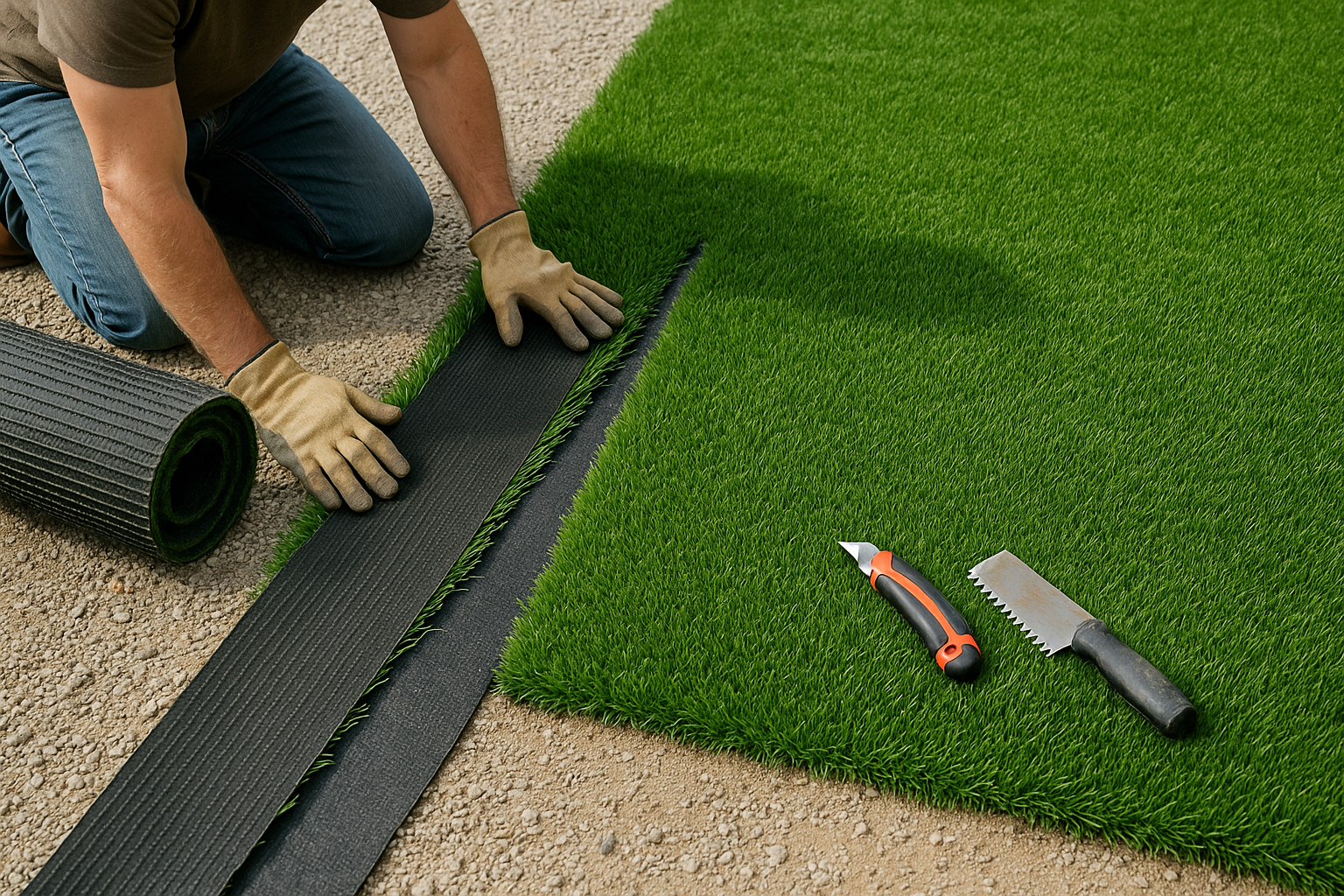
  3. Turf Laying: The artificial grass is rolled out and cut to fit the area. Precision in cutting and laying is key to achieving a seamless appearance.
  4. Infill Application: Sand or rubber granules are spread over the turf to provide cushioning and stability. The infill helps maintain the turf’s shape and enhances its performance characteristics.

The installation process must be carried out by experienced professionals to ensure the turf meets the required standards. Proper installation impacts the turf’s durability and the overall safety of the playing surface.

Maintenance Tips

  • Regular Cleaning: Remove debris and leaves regularly to keep the surface clean. This prevents the buildup of dirt and maintains the turf’s appearance.
  • Brushing: Brush the turf to keep the fibers upright and maintain its appearance. Regular brushing helps prevent matting and ensures the surface remains consistent.
  • Infill Top-Up: Periodically add infill material to maintain cushioning and support. This helps preserve the turf’s performance and extends its lifespan.

Routine maintenance ensures that the artificial grass continues to perform optimally and remains visually appealing. Following these maintenance tips can significantly enhance the longevity and aesthetics of the turf.

Conclusion

Artificial grass for sports fields offers a range of benefits, from durability and low maintenance to consistent performance and weather resistance. While there are environmental considerations, particularly regarding disposal, the advantages often outweigh the drawbacks for many sports facilities. By choosing the right type of artificial turf and ensuring proper installation and maintenance, sports fields can provide a high-quality playing surface for athletes year-round.

Whether you’re considering artificial grass for a football field, tennis court, or golf course, it’s clear that synthetic grass offers a practical and sustainable solution for modern sports facilities. The shift towards artificial turf reflects a broader trend in the sports industry towards more efficient, sustainable, and high-performance surfaces. As technology continues to advance, artificial grass will likely become an even more integral part of sports field design and management.

Get Your FREE Turf Sample & Quote Today – Experience Quality Before You Buy!