Key parameters of cricket-grade artificial turf

Key parameters of cricket-grade artificial turf

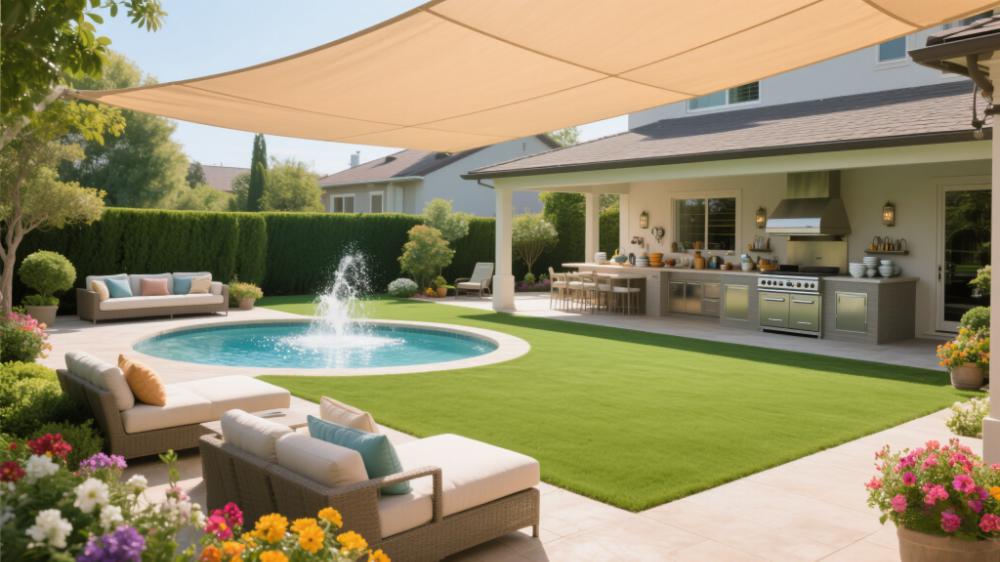
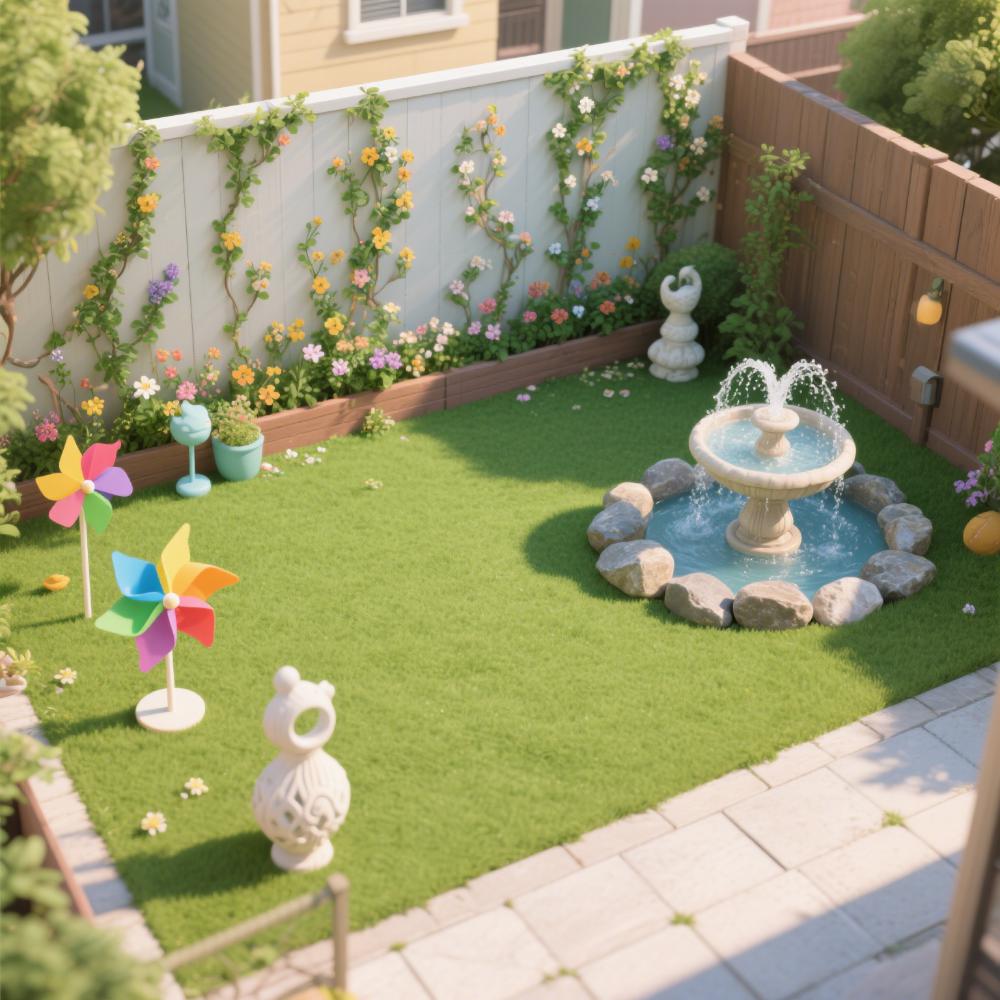
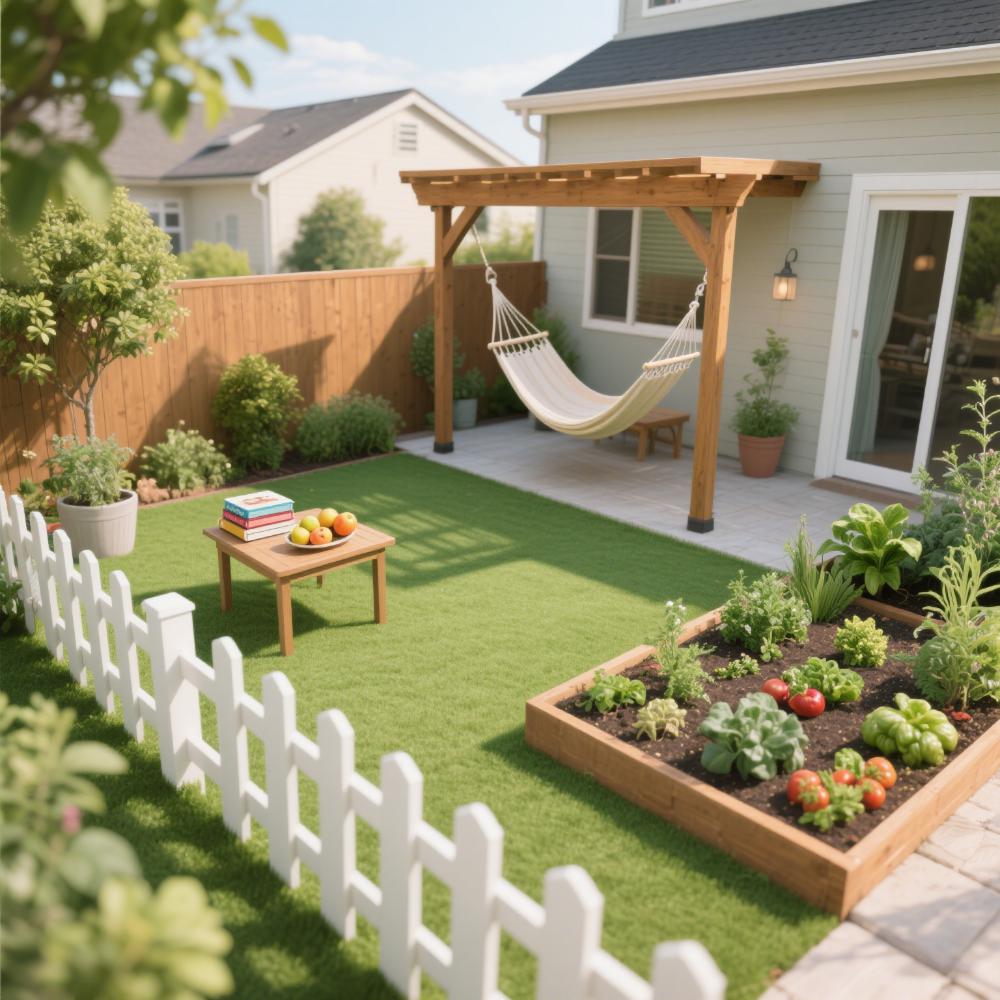
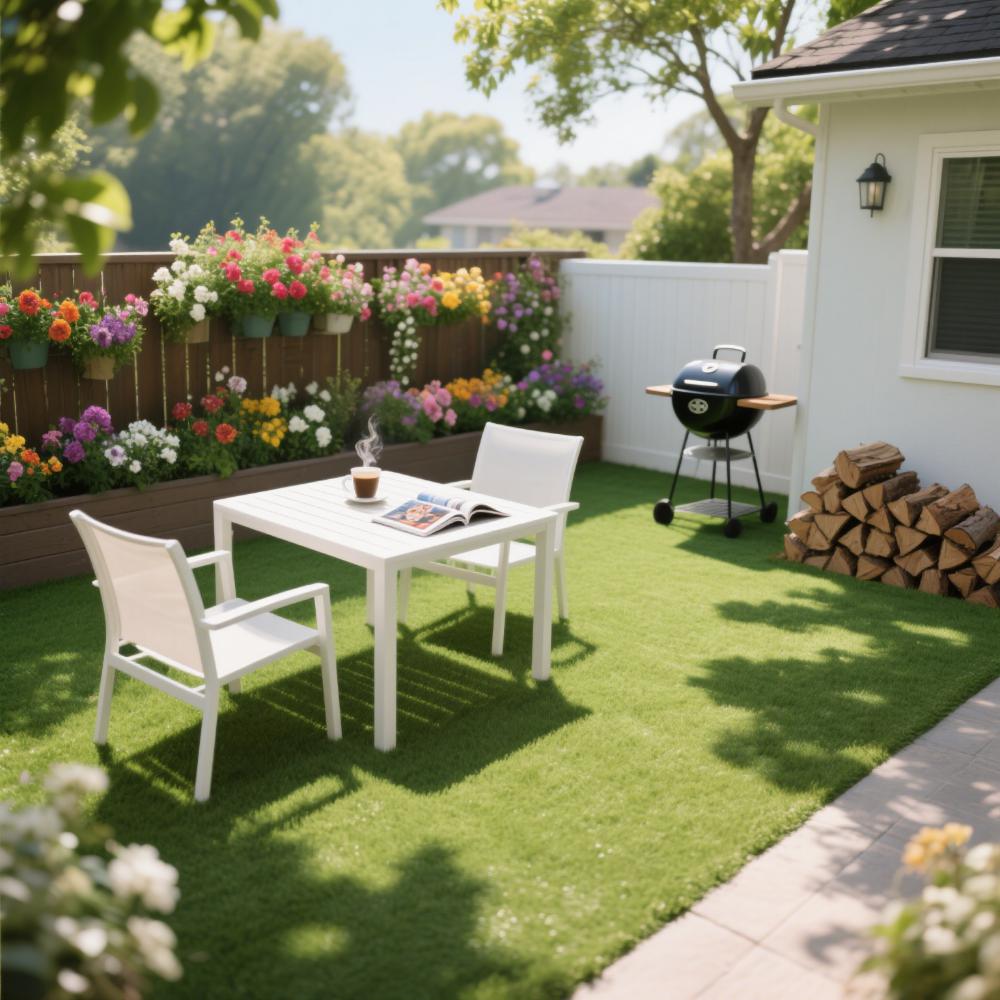
When it comes to transforming outdoor spaces, high-quality artificial grass for backyards has become a top choice for homeowners seeking low-maintenance, durable, and aesthetically pleasing landscaping solutions. Whether you’re looking to create a lush green lawn, a safe play area for kids, or a pet-friendly outdoor space, artificial grass offers unmatched versatility and benefits. In this article, we’ll explore why durable artificial turf for residential use, low-maintenance synthetic grass for homes, and pet-friendly artificial lawn solutions are revolutionizing backyard landscaping, addressing common pain points, and enhancing outdoor living.

Pile Height

Recommended: 10-15 mm

Reason: Cricket fields require a flat, low-friction surface to ensure the rolling speed and bounce consistency of the ball. Shorter grass height (10-15 mm) is suitable for cricket fields, especially for pitches used for competitions, because it can provide fast and uniform ball speed while reducing abnormal bounces of the ball. For practice fields, the grass height can be slightly higher (15-20 mm), but it still needs to be smooth.

Stitch Rate/Density

Recommended: 30,000-50,000 stitches per square meter (high density)

Reason: High-density turf can provide better wear resistance and stability, suitable for high-intensity use of cricket fields (players running, ball impact). This is especially important for outdoor fields because they need to resist frequent use and weather effects.

Yarn Material

Recommended: Polyethylene (PE) or Polypropylene (PP) monofilament

Reason: Polyethylene fiber is soft and durable, suitable for cricket courts, providing good foot feel and ball rolling performance. Monofilament fiber (monofilament) is more wear-resistant than fibrillated fiber (fibrillated), and can keep the surface flat, suitable for the precision requirements of cricket games.
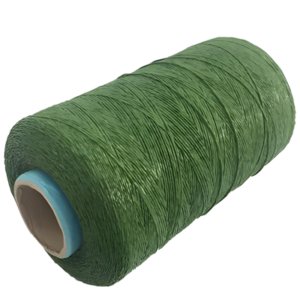
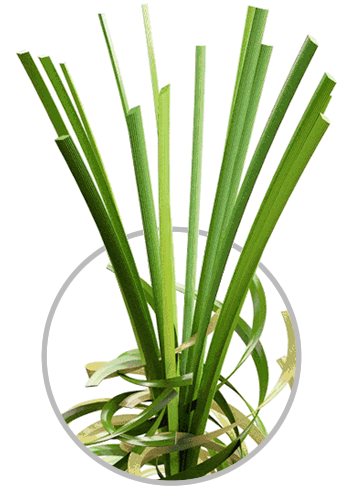
Artificial grass Yarn

DTEX (yarn thickness)

Recommended: 8,000-12,000 DTEX

Reason: Medium-high DTEX values ​​ensure the strength and durability of turf fibers, which can withstand high impact forces in cricket (such as fast rolling of the ball and players’ trampling). At the same time, moderate thickness keeps the surface smooth and does not affect the speed of the ball.

Backing and Drainage

Recommended: Double-layer backing (PP cloth + mesh cloth) + good drainage hole design (water drainage per square meter> 1800mm/h)

Reason: Cricket courts are often used outdoors and need to deal with rain. An efficient drainage system quickly removes accumulated water, keeping the field dry and ensuring uninterrupted play. Double-layer adhesive enhances the stability and durability of the turf and prevents fiber shedding.

UV Resistance and Weatherability

Recommendation: UV-resistant treatment, suitable for high temperature and strong sunlight environments


Reason: Cricket fields are mostly outdoor, especially in areas with strong sunlight (such as Australia, India, etc., Radford Ezynet may be aimed at similar markets). UV-resistant treatment can extend the life of the turf (more than 6-8 years) and prevent fading or fiber aging.

Friction and Ball Bounce

Recommendation: Low coefficient of friction, ball bounce rate meets International Cricket Council (ICC) standards

Reason: The turf of a cricket field needs to ensure that the ball rolls quickly and predictably, while the bounce height is moderate (usually a medium to low bounce rate). Low friction surfaces can reduce ball deviation and are suitable for fast pitches and spin balls.

Color

Recommendation: Green (dark green or natural grass color)

Reason: Cricket fields have traditionally used green turf, which is visually close to natural grass and conforms to the aesthetic habits of players and spectators. Make sure the color is natural and uniform.

These parameters are based on the professional needs of cricket fields: flatness, low friction, high wear resistance, fast drainage and UV resistance. They meet the international cricket field standards (such as ICC’s requirements for the pitch) and can meet the needs of providing customers with high-quality cricket fields.

We generally recommend the following specific parameters:

Grass height: 12 mm (suitable for cricket match pitches)

Density: 40,000 stitches per square meter

Material: Polyethylene monofilament fiber, DTEX 10,000

Back glue: double-layer back glue with drainage holes

Features: UV-resistant treatment, in line with ICC ball rebound standards

Come and contact us to get cricket artificial grass samples.
Categories
Landscape turf

The Benefits of Installing High-Quality Artificial Grass for Your Backyard

The Benefits of Artificial Grass for Your Backyard

When it comes to transforming outdoor spaces, high-quality artificial grass for backyards has become a top choice for homeowners seeking low-maintenance, durable, and aesthetically pleasing landscaping solutions. Whether you’re looking to create a lush green lawn, a safe play area for kids, or a pet-friendly outdoor space, artificial grass offers unmatched versatility and benefits. In this article, we’ll explore why durable artificial turf for residential use, low-maintenance synthetic grass for homes, and pet-friendly artificial lawn solutions are revolutionizing backyard landscaping, addressing common pain points, and enhancing outdoor living.

Table of Contents

Why Choose High-Quality Artificial Grass for Your Backyard?

High-quality artificial grass for backyards is designed to mimic the look and feel of natural grass while eliminating the challenges associated with traditional lawn maintenance. Unlike natural grass, which requires constant watering, mowing, and fertilizing, artificial turf provides a long-lasting, hassle-free alternative. Here’s why it’s the ideal solution for homeowners:


1. Low-Maintenance Synthetic Grass for Homes

One of the biggest pain points for homeowners is the time and cost associated with maintaining a natural lawn. Low-maintenance synthetic grass for homes eliminates these concerns by requiring minimal upkeep. With artificial grass, you can say goodbye to:

  • Watering: Artificial turf doesn’t need water to stay green, saving thousands of gallons annually. For example, a typical 1,000-square-foot lawn can save up to 20,000 gallons of water per year.
  • Mowing and Trimming: No more weekly mowing or edging, freeing up your weekends.
  • Fertilizing and Weed Control: Synthetic grass stays weed-free and doesn’t require chemical treatments, reducing both costs and environmental impact.

This makes low-maintenance synthetic grass for homes perfect for busy families, retirees, or anyone looking to reduce their landscaping workload while maintaining a pristine lawn.

2. Durable Artificial Turf for Residential Use

Backyards are often high-traffic areas, especially for families with children or pets. Natural grass can quickly wear out, leaving patchy, muddy areas that detract from your outdoor space. Durable artificial turf for residential use is engineered to withstand heavy foot traffic, rough play, and harsh weather conditions. Key features include:

  • High Durability: Made from advanced materials like polyethylene and nylon, modern artificial grass can last 15-20 years with proper care.
  • Weather Resistance: Whether it’s scorching summer heat, heavy rain, or freezing winters, artificial turf remains intact and functional year-round.
  • UV Protection: High-quality turf is UV-stabilized to prevent fading, ensuring your backyard stays vibrant for years.

For example, a family in a sunny region installed durable artificial turf for residential use and reported no fading or wear after five years of heavy use by children and pets, saving them $5,000 in maintenance costs compared to natural grass.

3. Pet-Friendly Artificial Lawn Solutions

Pet owners often struggle with maintaining a lawn that can withstand the wear and tear caused by dogs or other animals. Pet-friendly artificial lawn solutions are specifically designed to address these challenges, offering:

  • Easy Cleaning: Artificial grass is non-porous and can be easily hosed down to remove pet waste, preventing odors and bacterial buildup.
  • Durability for Pets: The tough fibers and strong backing resist digging and clawing, keeping your lawn intact.
  • Safe and Comfortable: With soft yet durable surfaces and optional antimicrobial infill, pet-friendly turf ensures a safe, hygienic environment for your furry friends.

A pet owner who installed a pet-friendly artificial lawn in their backyard noted a 50% reduction in cleaning time and no more muddy paws tracking dirt indoors, improving both their home’s cleanliness and their pet’s comfort.

4. Eco-Friendly Artificial Grass for Sustainable Landscaping

Sustainability is a growing concern for homeowners, and eco-friendly artificial grass for sustainable landscaping aligns with green living goals. Traditional lawns consume significant water and chemicals, contributing to environmental strain. Artificial grass offers:

  • Water Conservation: By eliminating the need for irrigation, artificial turf supports eco-conscious living. For instance, a 1,500-square-foot backyard can save up to 30,000 gallons of water annually.
  • Reduced Chemical Use: No fertilizers or pesticides are needed, reducing harmful runoff into local water systems.
  • Recyclable Materials: Many modern artificial grass products are made from recycled plastics, contributing to a circular economy.

A homeowner who switched to eco-friendly artificial grass reported not only lower water bills but also community recognition for their sustainable landscaping efforts, aligning with local environmental initiatives.

5. Cost-Effective Artificial Turf Installation for Backyards

While the upfront cost of cost-effective artificial turf installation for backyards may seem higher than seeding a natural lawn, the long-term savings are substantial. Consider the following:

  • Lower Maintenance Costs: Artificial turf eliminates expenses for water, fertilizers, and lawn equipment, saving homeowners an average of $1,000-$2,000 annually.
  • Long Lifespan: With a lifespan of 15-20 years, artificial grass offers excellent return on investment.
  • Increased Property Value: A well-maintained, evergreen lawn enhances curb appeal, potentially increasing home resale value by 5-10%.

For example, a homeowner who invested $10,000 in cost-effective artificial turf installation recouped their investment within seven years through savings on water, maintenance, and landscaping services, while enjoying a beautiful backyard year-round.

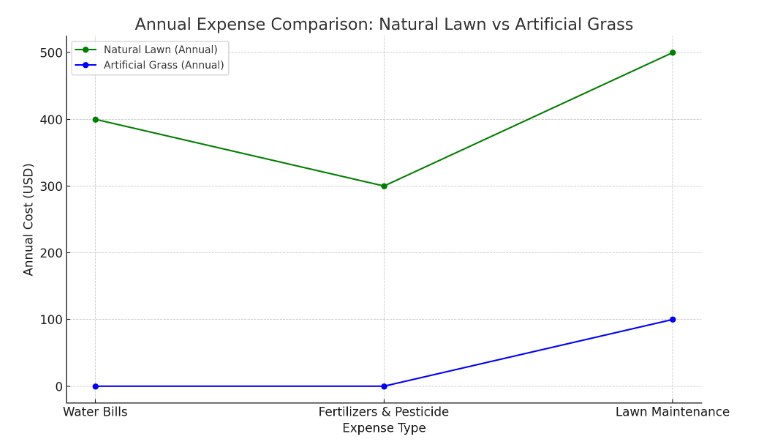
Annual Expense Comparison


Below is a comparison chart between natural lawn and artificial grass costs:


Expense Type Natural Lawn (Annual) Artificial Grass (Annual) 10-Year Total Savings
Water Bills $400 $0 $4,000
Fertilizers & Pesticide $300 $0 $3,000
Lawn Maintenance $500 $100 $4,000
Total $1,200 $100 ~$11,000


Applications of Artificial Grass in Backyards

The versatility of high-quality artificial grass for backyards makes it suitable for a wide range of applications, including:

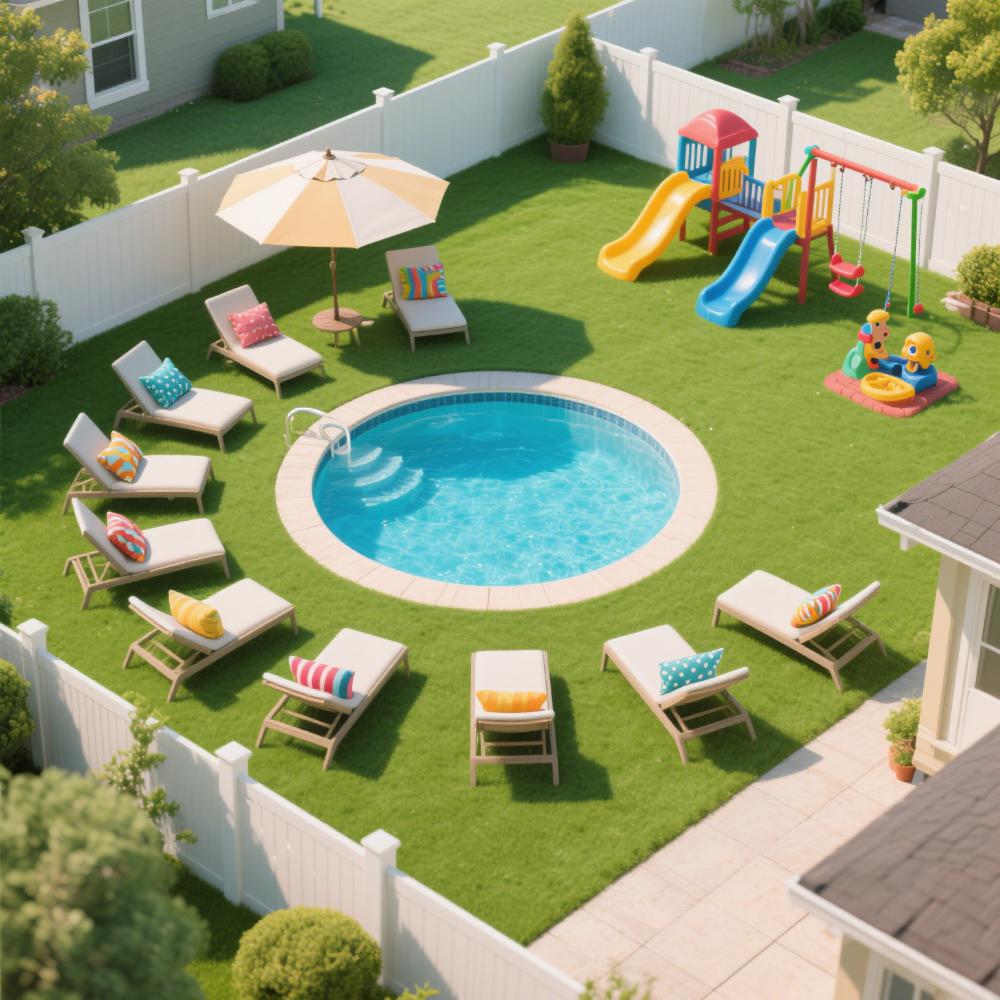
  • Family-Friendly Play Areas: Create safe, cushioned surfaces for children’s play zones with shock-absorbing underlayers that meet safety standards like ASTM F1292.
  • Pet Runs and Play Areas: Design durable, easy-to-clean spaces for pets to run and play without damaging your lawn.
  • Outdoor Entertainment Spaces: Transform your backyard into an inviting area for barbecues, parties, or relaxation with a lush, green surface.
  • Garden Accents: Use artificial grass for decorative pathways, patios, or borders to enhance your backyard’s aesthetic without the upkeep.

Why Invest in Professional Artificial Turf Installation?

To maximize the benefits of durable artificial turf for residential use, professional installation is key. Experienced installers ensure:

  • Proper Base Preparation: A well-prepared base prevents drainage issues and ensures a smooth, long-lasting surface.
  • High-Quality Materials: Professionals use tested, certified products like FIFA Quality Pro or ASTM-compliant turf for optimal performance.
  • Customized Solutions: Tailored designs to fit your backyard’s size, shape, and usage needs, whether for kids, pets, or aesthetics.

A professional installation of pet-friendly artificial lawn solutions can take as little as one day, transforming your backyard into a functional, low-maintenance oasis.

Conclusion: Transform Your Backyard with Artificial Grass

Investing in high-quality artificial grass for backyards is a game-changer for homeowners seeking a beautiful, functional, and sustainable outdoor space. Whether you’re looking for low-maintenance synthetic grass for homes, durable artificial turf for residential use, pet-friendly artificial lawn solutions, or eco-friendly artificial grass for sustainable landscaping, artificial turf delivers unmatched benefits. It reduces maintenance costs, enhances durability, ensures pet and child safety, and supports environmental sustainability—all while keeping your backyard looking pristine year-round.

Ready to upgrade your backyard? Contact us today for a free consultation on cost-effective artificial turf installation for backyards and discover how artificial grass can transform your outdoor living experience!

Conclusion: Transform Your Backyard with Artificial Grass

Investing in high-quality artificial grass for backyards is a game-changer for homeowners seeking a beautiful, functional, and sustainable outdoor space. Whether you’re looking for low-maintenance synthetic grass for homes, durable artificial turf for residential use, pet-friendly artificial lawn solutions, or eco-friendly artificial grass for sustainable landscaping, artificial turf delivers unmatched benefits. It reduces maintenance costs, enhances durability, ensures pet and child safety, and supports environmental sustainability—all while keeping your backyard looking pristine year-round.

Ready to upgrade your backyard? Contact us today for a free consultation on cost-effective artificial turf installation for backyards and discover how artificial grass can transform your outdoor living experience!

Related Articles You Might Find Helpful

Best Infill Materials for Artificial Grass: Full Comparison Guide

Artificial Grass Infill Types Compared: Performance, Pros, Cons & Sustainability

Explore the key differences between sand, rubber, and organic infills—understand how each affects playability, durability, and environmental impact.

When designing a high-performance synthetic turf system, choosing the right artificial grass infill is crucial. Infill materials significantly affect the turf’s durability, shock absorption, ball behavior, and safety. This guide provides a comprehensive look at infill options used in modern artificial turf systems, along with their environmental implications, cost profiles, and real-world performance.

Low-Maintenance Synthetic Turf for Sports Facilities

Reduce upkeep costs with our maintenance-free turf. No need for watering, mowing, or fertilizing—designed for long-lasting performance.

Table of Contents

What Is Infill and Why Is It Important?

Infill refers to the granular materials spread between the blades of synthetic grass, serving several functions:

  • It helps fibers stay upright.
  • Provides impact absorption and player comfort.
  • Enhances ball roll and bounce characteristics.
  • Contributes to system durability and drainage.

Modern turf systems often use a mix of performance infills and stabilizing sand, depending on their intended application—sports, landscaping, or playgrounds.

Common Types of Infill Materials

1. Silica Sand

A basic and cost-effective option, silica sand infill is often used as a stabilizing base, particularly in landscape and light-traffic areas.

  • Pros: Affordable, widely available, UV resistant.
  • Cons: Limited shock absorption; can compact over time.

2. SBR Rubber (Recycled Tires)

One of the most common infills for sports fields.

  • Pros: Excellent shock absorption, good ball rebound, cost-effective.
  • Cons: Can retain heat, potential concerns over microplastic pollution and chemical leaching.

3. EPDM Rubber

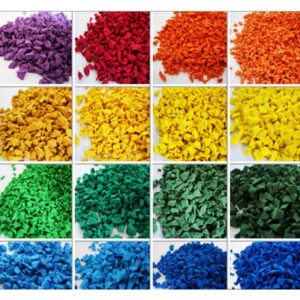
Made from virgin rubber, EPDM infill offers vibrant color options and consistent performance.

  • Pros: Non-toxic, durable, lower odor than SBR.
  • Cons: Higher cost than SBR; still petroleum-based.

4. TPE (Thermoplastic Elastomer)

A newer, recyclable infill option for those seeking higher environmental standards.

  • Pros: Recyclable, odorless, consistent shape and performance.
  • Cons: More expensive, limited availability in some regions.

5. Cork

A natural and biodegradable infill sourced from tree bark.

  • Pros: Renewable, lightweight, cool underfoot.
  • Cons: Higher cost, prone to floatation in heavy rain unless properly stabilized.

6. BrockFILL (Engineered Wood)

An engineered organic material designed to be sustainable and cool in temperature.

  • Pros: Natural feel, low heat retention, eco-friendly.
  • Cons: Higher upfront cost, may require specific installation techniques.

Performance Comparison in Real-World Scenarios

To understand how infill affects playing performance, we compared two systems using the same turf model (MangoSports ProSport 40), one with SBR and the other with cork infill.
Test Metrics (based on EN 15330-1 standards):

Parameter SBR Infill Cork Infill
Shock Absorption 63% 60%
Vertical Deformation 9.0 mm 8.2 mm
Ball Rebound 1.0 m 0.94 m
Rotational Resistance Moderate High
Surface Temperature High (45°C+) Low (30–35°C)

This illustrates that while SBR infill offers slightly more bounce and lower cost, cork infill improves rotational grip and significantly lowers surface heat.

Environmental Impact of Infill Choices

Environmental considerations are becoming increasingly important in synthetic turf projects. Here’s how different materials compare:

  • SBR and EPDM: Derived from petroleum and may release VOCs or microplastics over time.
  • TPE: Recyclable and more stable, but still synthetic.
  • Cork and BrockFILLBiodegradable, renewable, and safer for stormwater systems.

If you’re pursuing LEED certification or wish to minimize ecological impact, natural infill options are more appropriate—though typically at a higher cost.

Maintenance Considerations

Each infill type has unique maintenance requirements:

  • SBR: Needs regular top-up and grooming due to compaction and migration.
  • TPE and EPDM: Retain shape better, less frequent grooming needed.
  • Cork and organic: May float or biodegrade, requiring seasonal inspection and adjustment.

Proper brushing, infill top-ups, and sanitation (especially for sports fields) are essential for keeping the turf functional and hygienic.

Product List

📚 Related Guides You May Like

    Ask For Free Sample

    Categories
    Buyer Guide

    Infill vs Non-Infill Artificial Grass: Which Is Better for Your Project?

    When selecting artificial turf, one of the most important decisions is whether to choose infill or non-infill systems. Both types have distinct structures, performance advantages, and ideal applications. This guide will walk you through a detailed comparison to help you make the best decision for your project.


    What Is Infill Artificial Grass?

    Infill turf systems contain a layer of granulated materials—such as silica sand, rubber granules, or eco-friendly infills—distributed between the fibers. These materials serve several functions:

    • Keep the fibers upright and resilient
    • Enhance shock absorption and player safety
    • Improve surface grip and drainage
    • Increase the lifespan of the turf under heavy use

    Common Applications: Football fields, rugby pitches, school playgrounds, and other high-traffic sports areas.

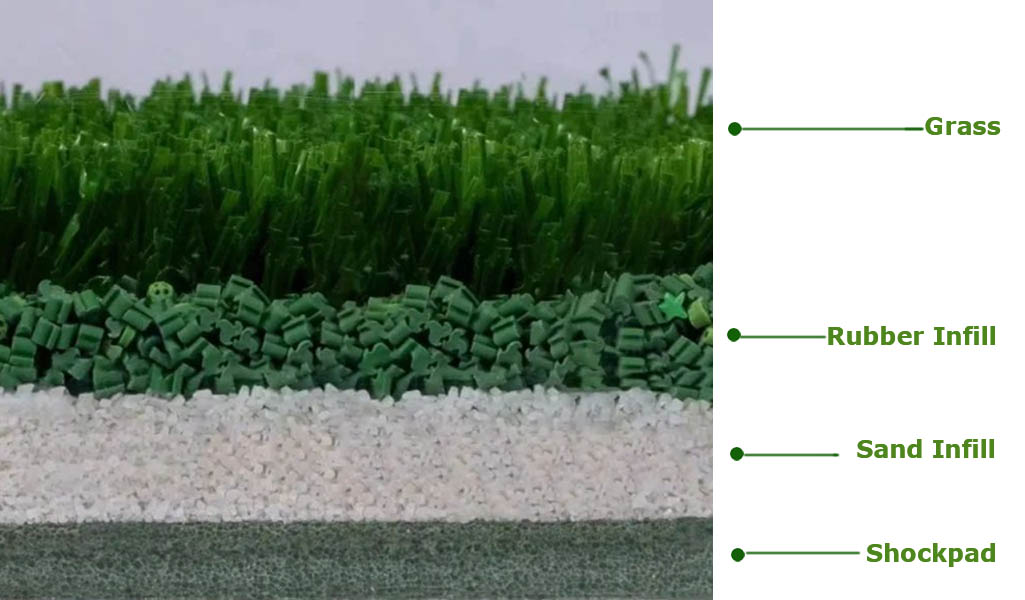
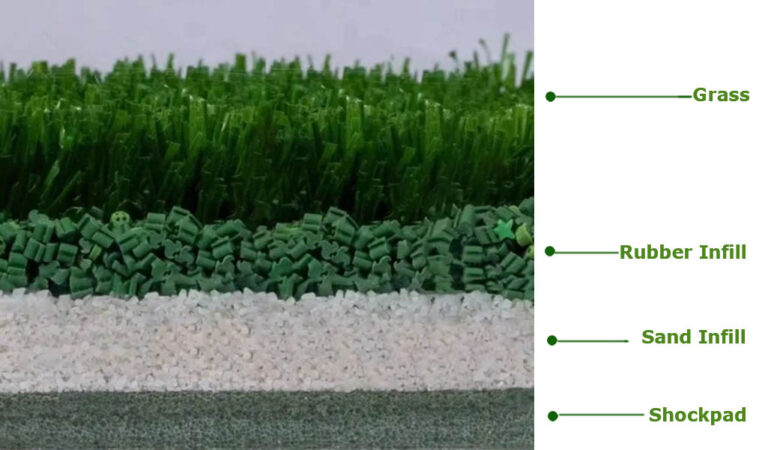
    Artificial Turf System Structure (Cross-Section View)

    Base Layer
    Compacted crushed stone or drainage base layer, ensures water permeability and structural stability.
    Prepared onsite according to project needs.

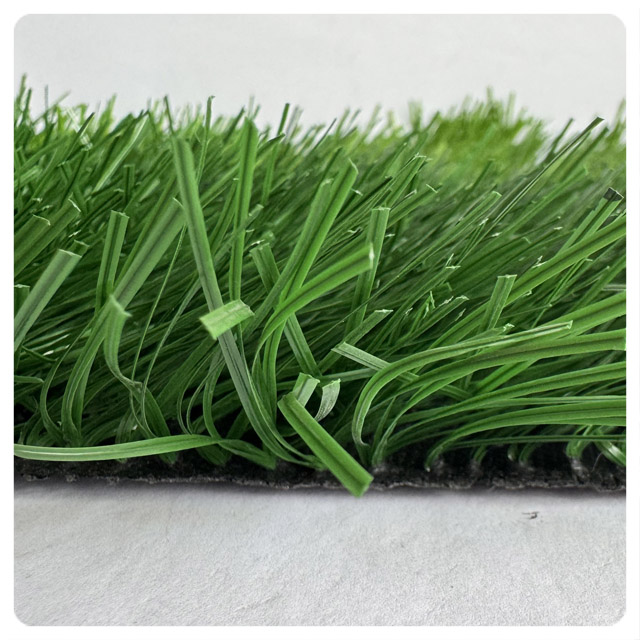
    Fiber Layer
    Made from UV-resistant polyethylene monofilament yarns, engineered for durability, softness, and upright resilience.
    Recommended Product: Mango Sports MS ProSport Series

    Thatch Layer
    A curled support layer that mimics the root zone of natural grass. Enhances fiber stability and cushioning.
    Available in both infill and non-infill turf models.

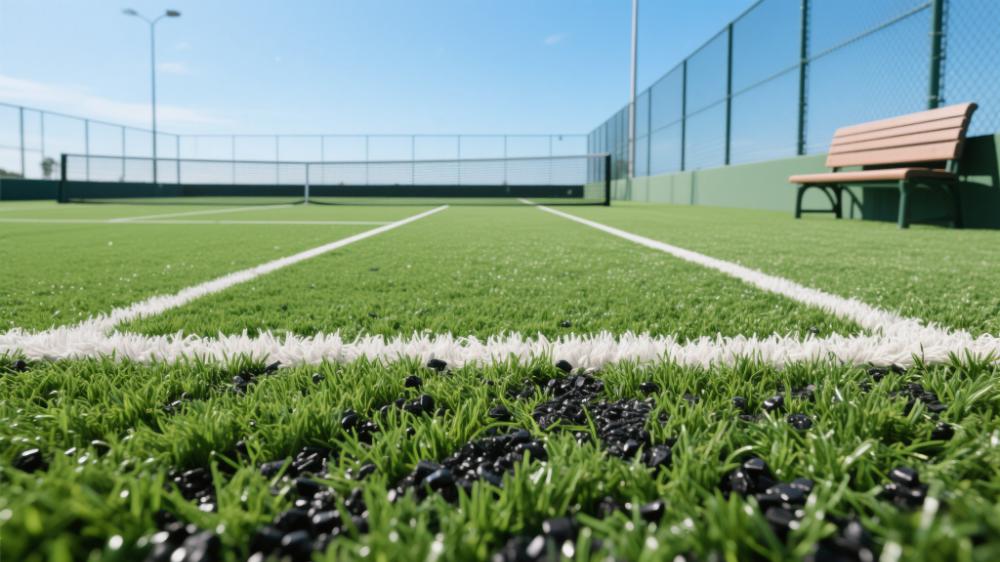
    Infill Particles
    Granular materials such as rubber or TPE used to provide bounce, support, and shock absorption.
    Recommended Infill: SBR Rubber or Eco-TPE Granules

    infill for artificial turf

    Shock Pad (Optional)
    Underlay foam or elastic layer to improve shock absorption and safety, especially in sports fields or playgrounds.
    Recommended Product: MangoSports EcoPad Shock-Absorbing Base


    What Is Non-Infill Artificial Grass?

    Non-infill turf uses denser fibers and often a tightly curled thatch zone to simulate volume and support—without requiring added materials. These systems are increasingly popular for low-maintenance and clean environments.

    Key Advantages:

    • Quick and simple installation
    • No risk of infill migration—cleaner for children and pets
    • Lower maintenance over time

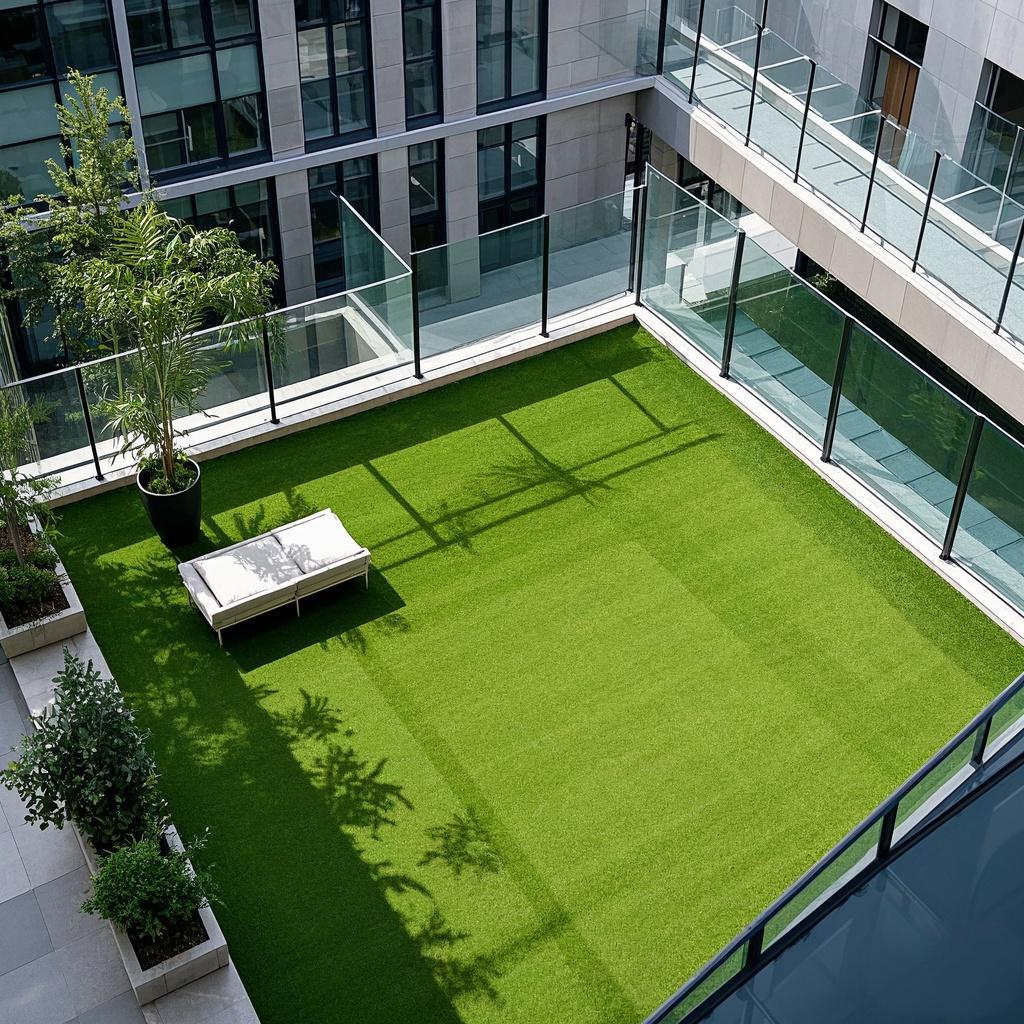
    Common Applications: Residential gardens, rooftop landscapes, balconies, pet areas, and temporary event setups.

    Soccer Synthetic Lawn

    Side-by-Side Comparison

    FeatureInfill Artificial GrassNon-Infill Artificial Grass
    InstallationRequires skilled labor and infillFaster, simpler
    DurabilityExcellent under heavy useModerate, best for light use
    Shock AbsorptionHigh, customizableLow to medium (may need padding)
    MaintenancePeriodic infill top-up & brushingLow maintenance, occasional brushing
    Environmental ImpactDepends on infill materialNo microplastics or infill concerns
    CostHigher (due to infill)Lower installation & upkeep cost
    Ideal ApplicationsSports fields, public facilitiesHomes, gardens, showrooms, pets

    Which One Should You Choose?

    Your decision should be based on usage intensity, safety needs, and long-term expectations:

    • Choose infill turf if you’re building a professional sports facility, public athletic field, or any space that will experience intensive use.
    • Choose non-infill turf for decorative landscaping, rooftop setups, home gardens, and light commercial zones where cleanliness and speed of installation matter.

    Mango Sports Product Guide

    To make the decision easier, here are two of our most recommended systems:

    MS ProSport Series (Infill Turf)

    Best for: Football stadiums, sports training centers
    Highlights: Resilient monofilament yarn, compatible with TPE or silica sand infill, certified for sports safety
    👉 View Product Details

    MS Leisure-D Series (Non-Infill Turf)

    Best for: Rooftops, patios, preschools, indoor spaces
    Highlights: Dense, curled yarn system, infill-free, soft-touch texture for comfort
    👉 View Product Details

    Conclusion

    Both infill and non-infill artificial grass systems have their merits. Infill turf is the go-to solution for high-performance sports and durability, while non-infill systems are ideal for quick, clean, and stylish installations. At Mango Sports, we offer customized artificial turf solutions to fit your exact needs—whether you’re building a national stadium or a rooftop garden.

    📩 Contact us: salesgroundturf.com
    🌍 Explore our products: www.groundturf.com

    Guest Experiences with Artificial Turf on Hotel Balconies

    Luxury Redefined: Guest Experiences with Artificial Turf on Hotel Balconies

    Imagine stepping onto your private balcony and feeling soft, lush grass beneath your feet—no dirt, no wet patches, just pure comfort. This is the magic of artificial turf, a game-changer for hotel relaxation spaces. Guests are raving about the serene, spa-like escape it creates. Here’s why:

    Table of Contents

    1. Cushioned Comfort That Welcomes Bare Feet

    Julia’s first step onto the newly installed 50mm synthetic turf grass felt surprisingly indulgent—like a soft rug warmed by the sun. Unlike the scratchy real grass she grew up with, this lush and springy surface was instantly relaxing. Her children started playing barefoot; even Julia began doing morning yoga on it.

    “We don’t need picnic blankets anymore,” she laughed. “The turf is soft enough to nap on.”

    What Guests Love About Artificial Turf Balconies 🌿

    ✨ “Like Walking on a Cloud” – Many describe the sensation as “surprisingly soft,” comparing it to a high-end carpet but with the freshness of nature. No hot tiles or slippery surfaces—just barefoot bliss.

    ✨ “So Clean & Inviting” – Unlike real grass, there’s no mud, pollen, or stains. Hotels love that it stays immaculate, and guests appreciate the hygienic touch, especially in luxury settings.

    ✨ “Perfect for Morning Coffee or Evening Wine” – The turf’s gentle cushioning makes balcony lounging irresistible. Add a plush chair or floor cushions, and it becomes the go-to spot for relaxation.

    ✨ “No Worries About Rain” – Advanced drainage means no puddles or soggy areas. Even after a downpour, the turf dries quickly, keeping the space usable.

    How Hotels Are Using Turf to Elevate Stays

    • Spa Balconies – Paired with loungers for post-massage relaxation.

    • Rooftop Bars – Creates a chic, clean look while preventing slips.

    • Suite Terraces – Adds a resort-like feel for honeymooners and VIPs.

    The Verdict? Unmatched Comfort & Style

    • Artificial turf isn’t just practical—it’s an experience. Guests remember the unexpected luxury of grassy softness underfoot, making it a subtle yet powerful upgrade for any high-end hotel or rental.

      How to Install Artificial Grass On Balconies?
       🌟 Transform your balcony into a serene retreat today!

    Would you like to highlight eco-friendly benefits or focus on a specific hotel style (e.g., urban chic, tropical resort)? I can tweak the tone accordingly! 😊

    Suggested Target Keywords

    • artificial turf for backyard

    • synthetic turf grass 50mm

    • artificial grass for pets

    • artificial turf on balcony

    • decoration grass carpet

    • lawn landscape artificial turf

    • artificial grass outdoors

    Get Your FREE Turf Sample & Quote Today – Experience Quality Before You Buy!