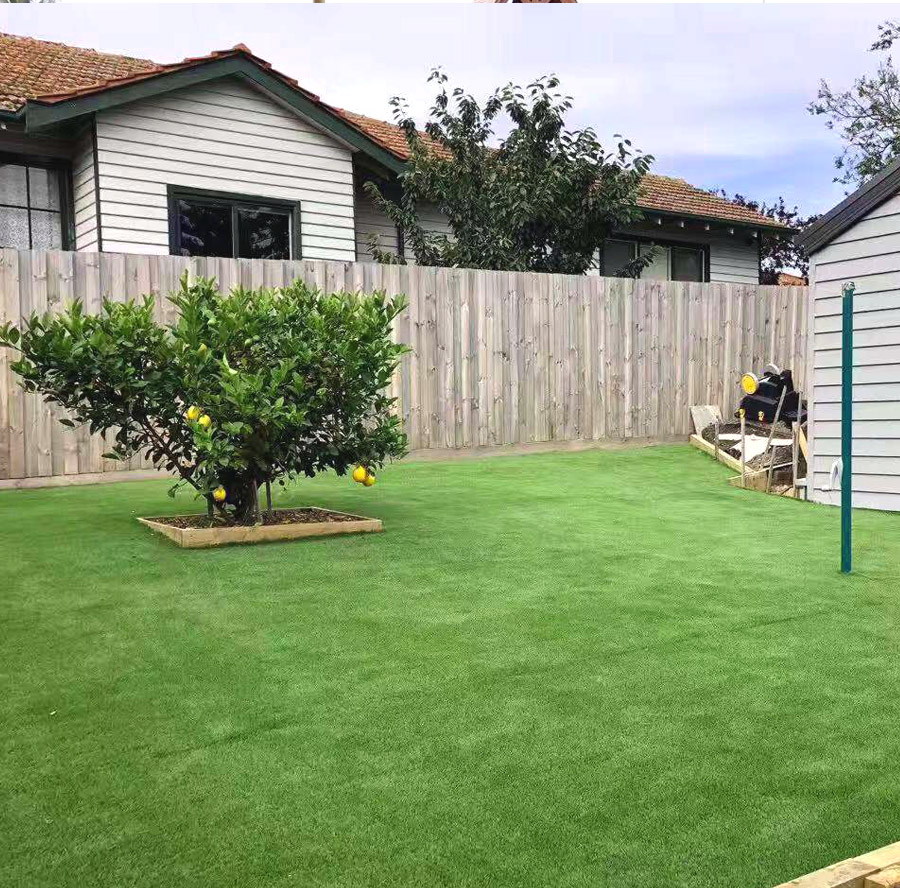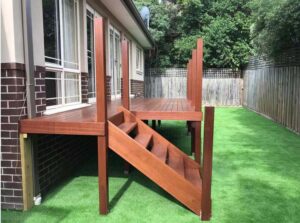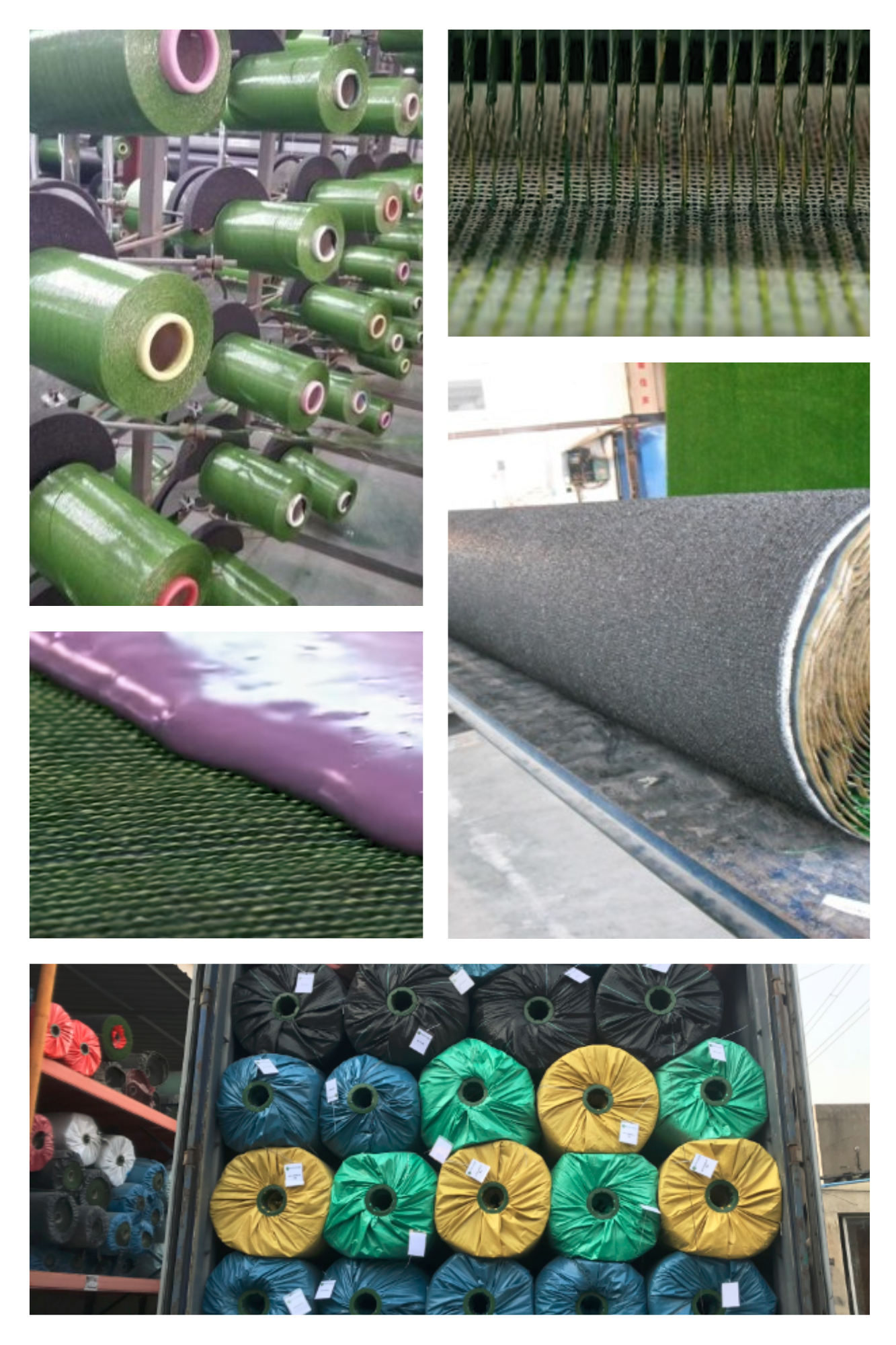
Cost of Import Artificial Grass from china

Quality Artificial Grass Imports from China: Competitive Pricing and Unmatched Quality

Are you in search of premium artificial grass for your landscaping or sports facility needs? Look no further than our range of top-quality imported artificial grass from China.

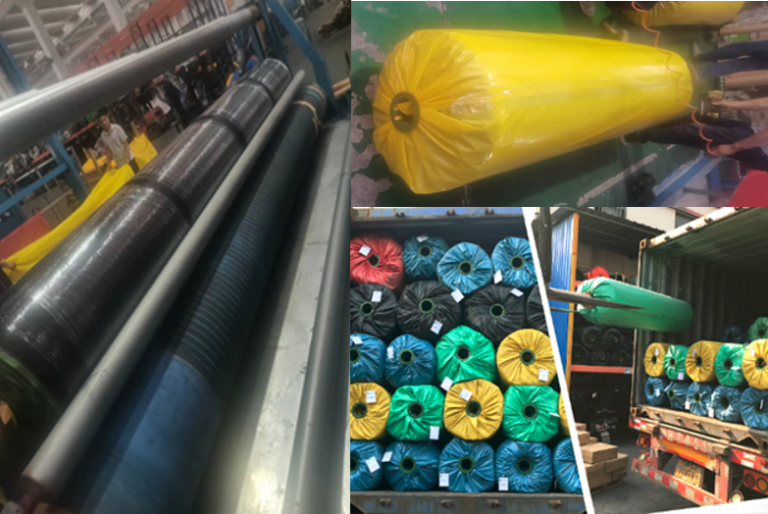
At Mango Sports, we specialize in sourcing and importing artificial grass directly from reputable manufacturers in China. Our extensive network and years of experience in the industry allow us to offer you the best selection of artificial grass products at competitive prices.

Why Choose Us for Your Artificial Grass Needs?

High-Quality Products: Our artificial grass is manufactured using advanced technologies and high-quality materials to ensure durability, resilience, and natural aesthetics.

Competitive Pricing: By importing directly from manufacturers in China, we eliminate middlemen and pass on the cost savings to you, offering competitive pricing without compromising on quality.

Custom Solutions: Whether you need artificial grass for landscaping, sports fields, playgrounds, or any other application, we offer customizable solutions to meet your specific requirements.

Expert Guidance: Our team of experts is dedicated to providing personalized assistance and guidance throughout the selection and purchasing process, ensuring you find the perfect artificial grass solution for your project.

Efficient Shipping: We have established efficient shipping channels to ensure timely delivery of your artificial grass order, wherever you are located.

Experience the Difference with Mango Sports

Don’t settle for subpar artificial grass products. Partner with [Your Company Name] for premium quality, competitively priced artificial grass imports from China. Transform your landscape or sports facility with our range of durable and visually appealing artificial grass solutions.

Contact us today to learn more about our product offerings, request a quote, or place your order. Let us help you achieve your artificial grass goals with our top-notch products and exceptional service.
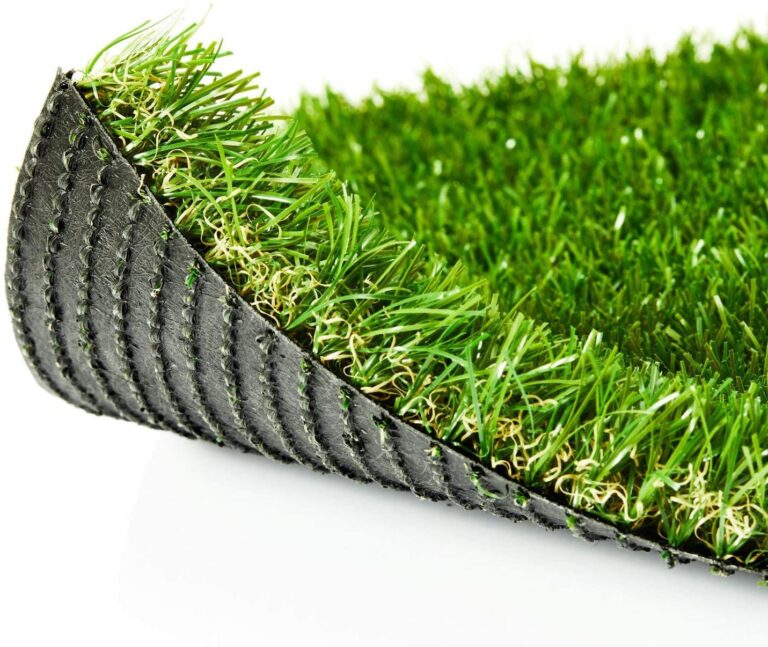
What pins do you use for artificial grass?

Choosing the Right Pins for Artificial Grass Installation: A Comprehensive Guide

When it comes to installing artificial grass, selecting the right pins is crucial for ensuring a secure and long-lasting installation. In this guide, we’ll explore the various types of pins available and provide insights into choosing the best ones for your project.

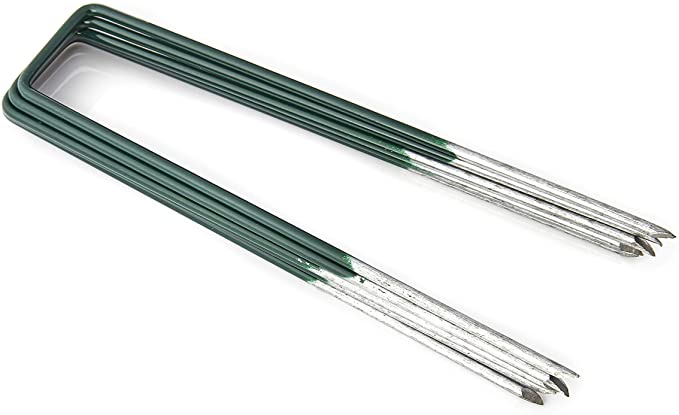
  1. Galvanized Steel U-shaped Pins:

    • Sturdy and durable design
    • Ideal for securing artificial grass along the edges
    • Resistant to corrosion for long-term performance
  2. Plastic Turf Staples:

    • Lightweight and corrosion-resistant
    • Suitable for softer surfaces like soil or sand
    • Easy to install and remove as needed
  3. Nails or Spikes:

    • Heavy-duty options for securing artificial grass on hard surfaces like concrete or wood
    • Provide strong anchoring, especially in high-traffic areas
    • Drive through the turf backing and into the ground or substrate below
  4. Infill Anchor Pins:

    • Specifically designed for artificial turf with infill materials
    • Prevent edges from lifting by firmly anchoring them to the ground
    • Ensures a seamless and professional-looking installation

Tips for Installation:

  • Choose pins that are appropriate for your project’s requirements, including the type of base material and environmental conditions.
  • Ensure proper spacing and placement of pins to prevent movement and maintain the integrity of the artificial grass surface.
  • Use a hammer or mallet to drive the pins into the ground securely, especially for harder surfaces.
  • Regularly inspect the pins and re-secure any loose areas to prolong the lifespan of your artificial grass installation.

Conclusion: Selecting the right pins is essential for a successful artificial grass installation. Whether you opt for galvanized steel U-shaped pins, plastic turf staples, or specialized infill anchor pins, ensure they are suitable for your project’s needs. With proper installation and maintenance, your artificial grass will provide years of beauty and enjoyment for your outdoor space.

What is the best way to brush artificial grass?

The Ultimate Guide: How to Properly Brush Artificial Grass

Artificial grass offers a low-maintenance alternative to traditional lawns, providing a lush green space without the hassle of constant upkeep. However, like any outdoor surface, artificial turf requires regular maintenance to keep it looking its best. One essential aspect of artificial grass maintenance is proper brushing. In this comprehensive guide, we’ll explore the best techniques and tools for brushing artificial grass to ensure optimal performance and longevity.

Why Brush Artificial Grass?

Brushing artificial grass serves several important purposes:

  1. Restore Upright Position: Over time, artificial grass fibers may become flattened due to foot traffic, weather conditions, or heavy objects. Brushing helps to restore the upright position of the fibers, maintaining a natural appearance.

  2. Distribute Infill: Many artificial grass installations use infill materials to provide stability and support to the turf. Brushing helps distribute the infill evenly throughout the turf, preventing uneven settling and ensuring consistent performance.

  3. Remove Debris: Regular brushing removes debris such as leaves, twigs, and pet hair from the surface of the turf, keeping it clean and free of obstructions.

  4. Prevent Compaction: Brushing helps prevent compaction of the turf fibers, which can lead to reduced drainage and water pooling.

Best Practices for Brushing Artificial Grass

Follow these expert tips to ensure that you’re brushing your artificial grass effectively:

  1. Choose the Right Brush: Select a brush specifically designed for use on artificial turf. Look for brushes with soft bristles that won’t damage the turf fibers.

  2. Brush Regularly: Establish a regular brushing schedule, especially in high-traffic areas or after heavy use. Aim to brush the turf at least once a week to maintain its appearance.

  3. Brush Against the Grain: Brush against the natural grain of the turf to lift and separate the fibers, promoting a fuller and more natural look.

  4. Use Gentle Pressure: Apply gentle pressure when brushing to avoid damaging the turf fibers or causing unnecessary wear and tear.

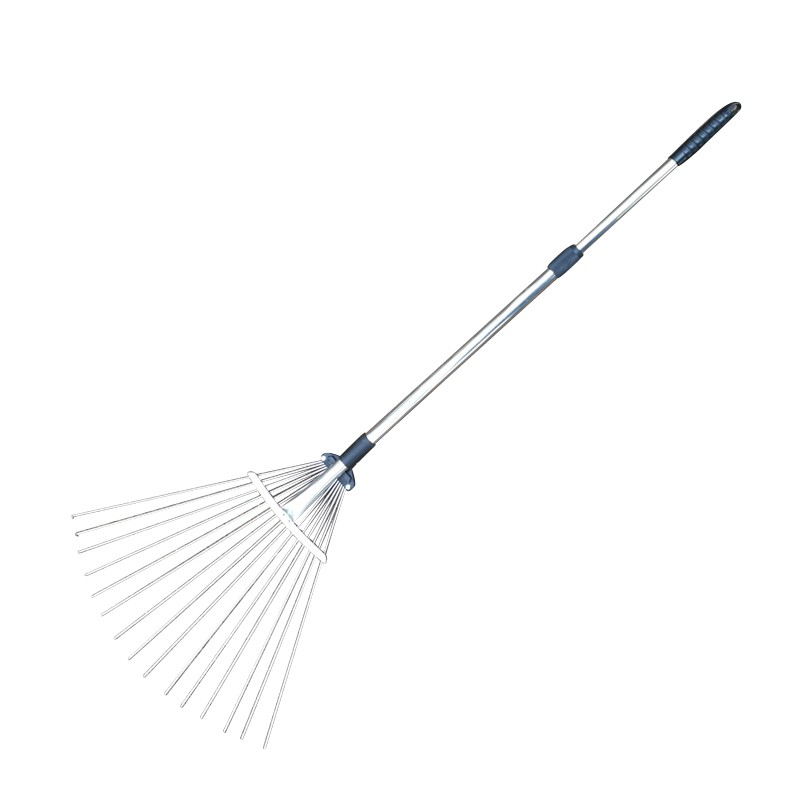
  5. Remove Debris First: Before brushing, remove any debris or loose material from the surface of the turf using a leaf blower or rake.

  6. Inspect for Damage: Periodically inspect the turf for signs of damage, such as loose seams or tears. Address any issues promptly to prevent further damage.

  7. Consider Power Brushing: For larger areas or heavy-duty cleaning, consider using a power brush specifically designed for artificial turf maintenance.

Conclusion

Proper brushing is essential for maintaining the appearance, performance, and longevity of artificial grass. By following the best practices outlined in this guide, you can keep your synthetic lawn looking lush, vibrant, and inviting for years to come. Incorporate regular brushing into your artificial grass maintenance routine to enjoy a beautiful, low-maintenance lawn that enhances your outdoor space.

What is artificial grass used for?

Exploring the Versatility of Artificial Grass: Uses and Applications

Artificial grass, also known as synthetic turf or fake grass, is a versatile landscaping solution that offers a wide range of uses and applications. From residential yards to commercial spaces, artificial grass has become a popular choice for enhancing outdoor environments. Let’s explore the diverse uses of artificial grass:
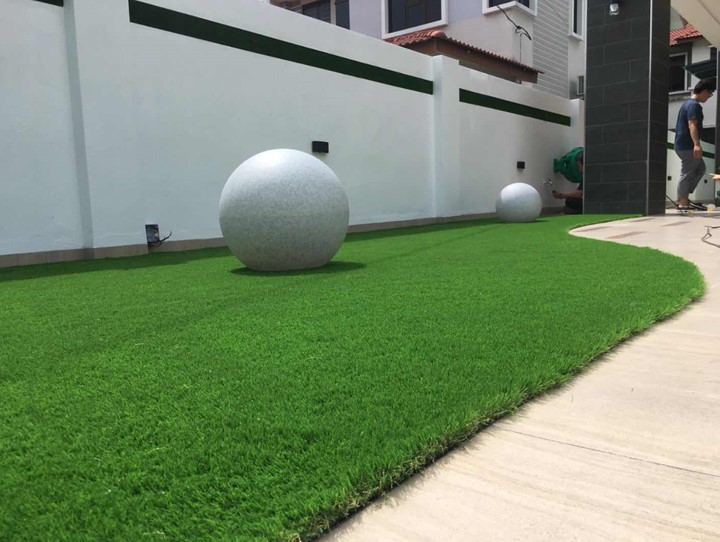

  1. Residential Landscaping: Artificial grass is commonly used in residential landscaping to create lush, green lawns without the maintenance requirements of natural grass. Homeowners appreciate the convenience and aesthetic appeal of synthetic turf for front yards, backyard lounging areas, and play spaces for children and pets.

  2. Commercial Landscaping: In commercial settings, artificial grass is utilized to enhance the appearance of outdoor spaces while minimizing maintenance costs. From office complexes and retail centers to hotels and restaurants, synthetic turf adds curb appeal and creates inviting outdoor environments for customers, employees, and guests.

  3. Sports Fields and Playgrounds: Synthetic turf is widely used in sports fields, playgrounds, and recreational areas due to its durability, resilience, and consistent playing surface. From soccer fields and football stadiums to playgrounds and community parks, artificial grass provides a safe and high-performance solution for outdoor sports and activities.

  4. Golf Courses and Putting Greens: Artificial grass is a popular choice for golf courses and putting greens, offering a low-maintenance alternative to natural grass. Golf enthusiasts can enjoy practicing their swings and perfecting their putts on synthetic turf surfaces that mimic the look and feel of real grass without the need for watering or mowing.

  5. Roof Decks and Balconies: For urban dwellers with limited outdoor space, artificial grass offers a practical solution for transforming rooftop decks, balconies, and terraces into green oases. Synthetic turf provides a soft and comfortable surface for lounging, entertaining, and enjoying the outdoors in urban environments.

  6. Pet Areas and Dog Runs: Pet owners appreciate the convenience and hygiene of artificial grass for pet areas, dog runs, and backyard play spaces. Synthetic turf is durable, easy to clean, and resistant to odors and stains, making it an ideal surface for pets to play, relax, and relieve themselves without damaging the lawn.

  7. Event and Exhibition Spaces: Artificial grass is often used in event and exhibition spaces to create visually stunning and functional environments for special occasions, trade shows, and outdoor events. From temporary installations to permanent fixtures, synthetic turf adds a touch of greenery and sophistication to any event setting.

With its versatility, durability, and low maintenance requirements, artificial grass has emerged as a popular landscaping solution for a wide range of residential, commercial, and recreational applications. Explore the possibilities of synthetic turf to enhance outdoor spaces and enjoy the beauty of greenery without the hassle of traditional lawn maintenance.

How to choose the right grass carpet?

Guide

How to Choose the Right Grass Carpet A Complete Buyer’s Guide

xpert Tips for Selecting the Best Artificial Turf for Sports Fields, Landscaping, and Commercial Applications

Expert Tips for Choosing the Perfect Grass Carpet for Your Space

Are you considering adding a touch of green to your space with a grass carpet? Whether you’re enhancing your outdoor patio, creating a cozy indoor play area, or revamping your balcony, selecting the right grass carpet is crucial for achieving the desired look and feel. With a myriad of options available, it’s essential to make an informed decision that suits your specific needs and preferences. Here are some expert tips to help you choose the perfect grass carpet:

  1. Determine Usage: Assess how you plan to use the grass carpet. Will it be primarily for decorative purposes, as a play area for kids or pets, or for heavy foot traffic? Understanding the intended usage will guide you in selecting the most suitable grass carpet material and durability.

  2. Consider Material: Grass carpets come in various materials, including polyethylene, polypropylene, and nylon. Each material offers different levels of softness, resilience, and UV resistance. For instance, polyethylene is known for its natural look and soft feel, while polypropylene is more affordable and durable.

  3. Evaluate Pile Height and Density: Pile height refers to the length of the grass blades, while density indicates the number of blades per square inch. Opt for a balance between pile height and density based on your preferences and usage requirements. Higher pile height can provide a plush feel, while denser carpets offer better resilience and a more realistic appearance.

  4. Assess Maintenance Needs: Consider the maintenance demands of the grass carpet, including cleaning, grooming, and potential repairs. Some grass carpets require minimal upkeep, while others may need regular brushing or occasional watering to maintain their appearance.

  5. Review Warranty and Quality: Prioritize quality and ensure that the grass carpet comes with a reliable warranty. Look for reputable brands known for producing high-quality synthetic grass carpets that are fade-resistant, weatherproof, and backed by comprehensive warranties.

  6. Check for Drainage System: If you’re installing the grass carpet outdoors or in areas prone to moisture, such as balconies or patios, ensure that it features a proper drainage system. Adequate drainage prevents water accumulation, reduces the risk of mold or mildew growth, and prolongs the lifespan of the carpet.

  7. Seek Samples and Reviews: Before making a final decision, request samples of different grass carpets to assess their look and feel in person. Additionally, read reviews from other customers to gauge their satisfaction with the product’s quality, durability, and performance.

By considering these expert tips, you can confidently choose the perfect grass carpet that enhances your space and meets your specific requirements. Whether you’re aiming for a lush outdoor oasis or a cozy indoor retreat, selecting the right grass carpet sets the foundation for a beautiful and functional environment.

  • Keywords:

Artificial Grass, Grass Carpet, Synthetic Turf, Sports Turf, Landscaping Turf, Commercial Artificial Grass, Turf Selection Guide, Eco-friendly Turf, Artificial Grass for Football, Artificial Grass Supplier, High-Performance Turf, Durable Artificial Turf

Get Your FREE Turf Sample & Quote Today – Experience Quality Before You Buy!