How to understand the cost of artificial grass?

Understanding What Impacts the Cost of Artificial Grass and How to Make Informed Decisions for Your Next Project.

Artificial turf is an increasingly popular choice for residential lawns, commercial landscapes, sports fields, and leisure spaces. It offers numerous benefits, including durability, low maintenance, and aesthetic appeal. However, when considering artificial grass for your next project, understanding the cost of artificial turf is crucial. 

This guide will provide you with detailed insights into what factors affect the cost, what you can expect to pay, and how to make cost-effective decisions for your turf installation.

Table of Contents

1.What Affects Artificial Turf Cost?

 The cost of artificial turf can vary significantly depending on several key factors. Understanding these elements will help you estimate the total cost of your project and make informed decisions.

1.1 Quality of Materials

The quality of the turf material plays a significant role in pricing. High-quality artificial grass made from durable materials such as polyethylene (PE) or polypropylene (PP) will generally cost more than turf made from cheaper materials. Turf with UV resistance, anti-fade properties, and high-density fibers typically falls into the higher price range.

1.2 Pile Height and Density

Artificial grass comes in various pile heights (the length of the grass fibers) and density (the number of fibers per square meter). Turf with higher pile heights and greater density tends to be more expensive but also provides a more natural look and feel. Higher density and pile height also contribute to better durability and performance, especially for high-traffic areas such as sports fields or public spaces.

1.3 Backing and Infill

The backing material and infill used in the turf also affect the price. Latex backing, for example, provides better flexibility and durability, while polyurethane backing is more robust and water-resistant but may cost more. Infill materials such as rubber, sand, or organic options contribute to the overall cost as well, with rubber infill typically being more expensive than silica sand.

1.4 Brand and Manufacturer

Different brands and manufacturers offer artificial turf at various price points. Well-established brands with a reputation for high-quality products and excellent customer service tend to have higher prices. However, investing in a reputable brand can ensure better product longevity, more reliable warranties, and stronger after-sales support.

2.How Much Does Artificial Turf Cost?

When budgeting for artificial grass, it’s essential to understand the average cost per square meter or square meter. The final price depends on the type of turf, the size of the area, and any additional services such as installation or infill materials.

2.1 Residential Artificial Turf Cost

In Mango sports,for residential lawns or gardens, the cost of artificial turf can range from $3 to $10 per square meter depending on the quality of the grass, the region, and any additional installation services. Below is a general breakdown:

  • Low-End Turf: Basic turf for low-traffic areas or budget-conscious projects can range from $3 to $4 per square meter.
  • Mid-Range Turf: Turf with a more natural look and feel, suitable for moderate use, typically costs between $4 and $6 per square meter.
  • High-End Turf: Premium turf with enhanced durability, density, and UV resistance can cost $6 to $10 per square meter.

2.2 Commercial Artificial Turf Cost

In Mango sports, for larger commercial projects like sports fields, playgrounds, or business parks, the cost of artificial turf is typically lower per square meter due to bulk purchasing. Prices generally range from $2 to $10 per square meter. Here’s a more specific breakdown for commercial applications:

  • Sports Fields: Turf for meterball, soccer, and other sports fields usually costs between $4 and $10per square meter, with added costs for infill materials and specialized installation.
  • Parks and Playgrounds: Turf for public parks or playgrounds can cost between $4 and $10 per square meter, depending on the desired aesthetic and level of traffic.

3.Additional Costs to Consider

In addition to the cost of the turf itself, several other factors contribute to the total cost of the project. These include:

3.1 Installation Costs

Professional installation can significantly affect the overall cost. Installation prices can vary depending on the complexity of the project, the region, and whether any additional preparation or underlayment is needed. Installation costs typically range from $2 to $8 per square meter, depending on the job.

3.2 Infill Materials

The choice of infill material adds to the overall cost. Infill is necessary for stabilizing the turf and providing cushioning, especially for sports fields. Common options include:

  • Rubber Infill: Common in sports fields, rubber is durable and provides excellent shock absorption, but it can increase the cost by $1 to $3 per square meter.
  • Silica Sand: This is a more affordable option, adding approximately $0.50 to $1 per square meter.
  • Organic Infill: Eco-friendly options like coconut fiber or cork can cost more but offer environmental benefits.

3.3 Underlayment

For improved drainage and a smoother finish, some projects may require underlayment. Underlayment typically costs between $2.5 and $5 per square meter, depending on the type and thickness of the material.

Artificial Turf Pricing by Application: Leisure, Sports, Pets, and Commercial Uses

This table breaks down the cost of MANGO SPORTS artificial turf based on different applications, helping you choose the right option for your needs.

ApplicationLow/ Mid- Range TurfHigh -End Turf
Leisure/Residential3-6USD/M26-10USD/M2
Pets 4-6USD/M26-10USD/M2
commercial2-6USD/M2 5-8USD/M2
Playground 3-6USD/M25-8USD/M2
Sports 3-6USD/M2 6-20USD/M2


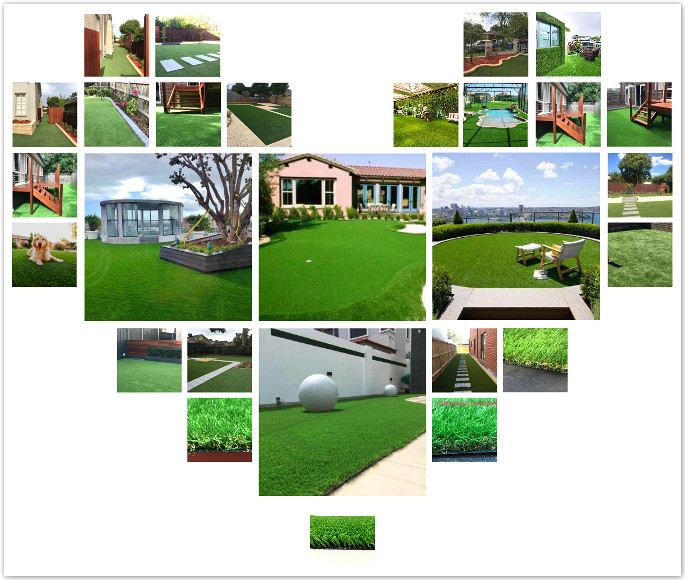
Some application scenarios of artificial grass

Artificial grass is versatile and suitable for various applications. For leisure areas like gardens and patios, it provides a low-maintenance, attractive solution. In sports, it offers durability and high performance for fields like soccer or golf. Pet-friendly turf is designed for safety and easy cleaning, while commercial applications ensure durability and aesthetic appeal in high-traffic areas.

4.Long-Term Cost Considerations

While the initial cost of artificial turf may seem high, it’s important to consider the long-term savings. Here are a few factors to think about:

4.1 Maintenance Savings

One of the main advantages of artificial turf is that it requires minimal maintenance compared to natural grass. There’s no need for watering, mowing, or fertilizing, which can lead to significant savings over time. For instance, water bills can be reduced by as much as 60% in areas with limited water supply.

4.2 Durability and Longevity

With proper care, high-quality artificial turf can last anywhere from 15 to 20 years. This durability provides excellent long-term value, especially in high-traffic areas like sports fields or public parks. The longevity of artificial grass means you won’t need to replace it frequently, saving you money on ongoing maintenance or replacements.

4.3 Energy Savings

Because artificial grass requires no irrigation or chemical treatments, it can be a more sustainable option in terms of energy use, particularly for residential properties in drought-prone areas.

5.Is Artificial Turf Worth the Cost?

The cost of artificial turf can be higher than traditional sod, but the long-term savings and benefits it offers often outweigh the initial investment. With minimal maintenance requirements, water conservation, and durability, artificial turf is a cost-effective solution for residential lawns, sports fields, and commercial applications alike.

Before purchasing, it’s important to consider the quality of the turf, the installation costs, and the long-term savings. By doing so, you can make an informed decision that ensures you get the best value for your money.

Understanding Artificial Turf Cost: Key Factors and Insights for Suppliers and Project Managers

This guide provides valuable insights into artificial turf cost, helping potential clients understand what goes into the pricing structure. It highlights key factors such as material quality, installation, and long-term savings, offering a comprehensive resource for artificial grass suppliers, wholesalers, and project managers in the sports and leisure sectors.

📚 Related Guides You May Like

    Ask For Free Sample

    Get Your FREE Turf Sample & Quote Today – Experience Quality Before You Buy!