Categories
Football field turf Sports Grass

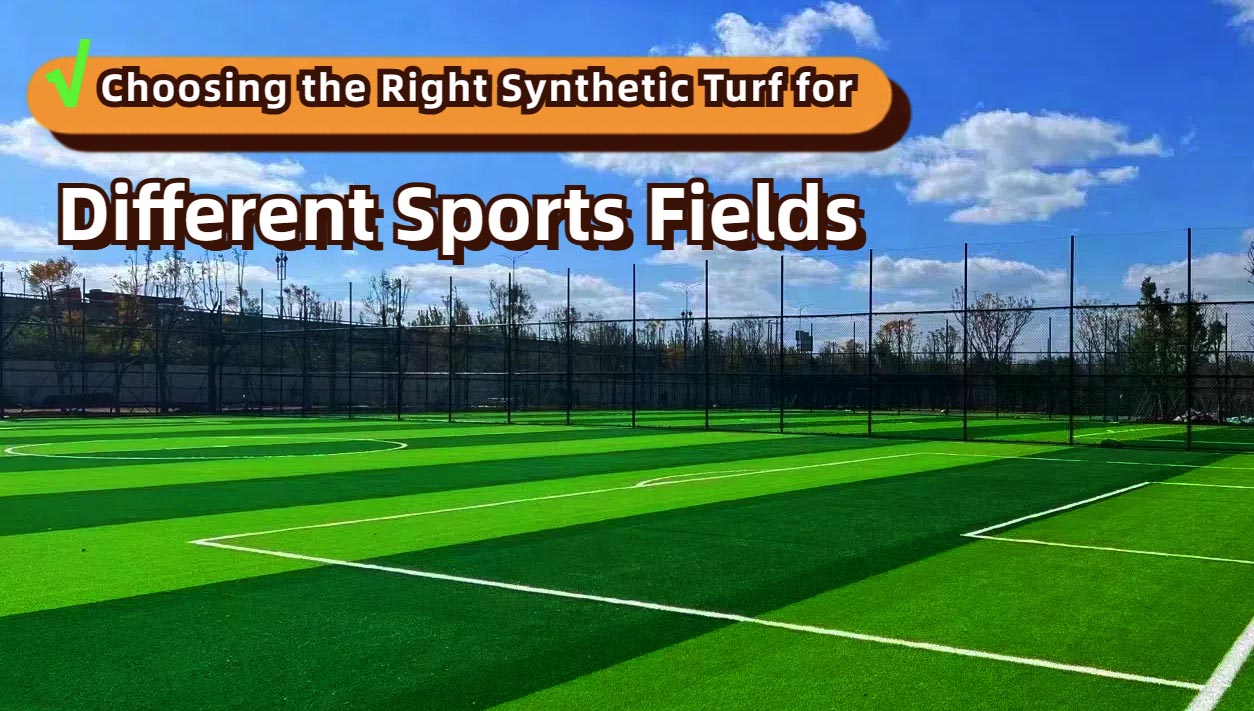
Choosing the Right Synthetic Turf for Different Sports Fields

Artificial Turf for Football, Cricket Field Turf, Tennis Court Synthetic Grass

How to Choose the Right Synthetic Turf for Football, Tennis, and Cricket Fields

Discover the key differences between artificial grass types for various sports, and how the right turf can enhance performance and durability across fields.

When it comes to constructing sports fields, selecting the appropriate synthetic turf is critical. Different sports demand different types of turf to ensure optimal performance, safety, and durability. Whether you are building a football field, tennis surface, or multi-purpose sports facility, understanding the unique requirements of each sport and selecting the right turf can make a significant difference in the longevity of the field and the quality of the playing experience.

Table of Contents

Understanding the Key Factors in Turf Selection

  1. Sport-Specific Requirements

    Different sports place varying demands on the playing surface. For example, football fields require turf that can withstand high-speed running, tackling, and sudden directional changes. The turf must offer sufficient resilience to protect players’ joints while providing a firm yet forgiving surface. In contrast, rugby fields often require a more durable and thicker turf that can handle more physical contact and higher-impact movements without wearing out quickly.

    Multi-purpose sports fields, which host a variety of activities from football to tennis and athletics, need a versatile turf solution. The right multi-sport turf provides a consistent, high-performance surface for all types of activities without compromising on comfort or durability.

  2. Durability and Longevity

    High-traffic sports fields need to endure intense physical activity over long periods of time. Long-lasting durability is a key consideration when choosing synthetic turf. Depending on the sport, the turf needs to be able to handle not only the weight of the players but also the wear and tear from frequent use and changing weather conditions. A durable turf solution is especially important for fields that host multiple events and training sessions daily.

    Reinforced synthetic fibers are used in many high-performance sports turfs to provide greater strength, while ensuring the fibers do not degrade under UV exposure or constant foot traffic.

  3. Safety and Comfort

    Player safety is always a top priority. Shock absorption and turf resilience are vital aspects that contribute to injury prevention. For sports like football, the turf must offer a balance of firm grip and cushioning. Non-abrasive fibers and soft underlayment systems can help reduce the risk of cuts and abrasions, while also providing players with a comfortable playing surface.

    For rugby and American football, where the physicality of the sport can lead to more intense falls and tackles, choosing turf with higher cushioning and a thicker pile height may be essential. Ensuring that the turf meets FIFA standards for shock absorption is key for these types of high-contact sports.

  4. Environmental Considerations

    Environmental sustainability is becoming increasingly important. Many facilities are now opting for eco-friendly turf options that are made from recyclable materials and produced with less environmental impact. Additionally, effective drainage systems are vital to avoid waterlogging, especially in regions with high rainfall. Turf that offers high-quality drainage capabilities ensures that the playing surface remains dry and functional, even during wet conditions.

Types of Synthetic Turf for Different Sports

  1. Football Turf

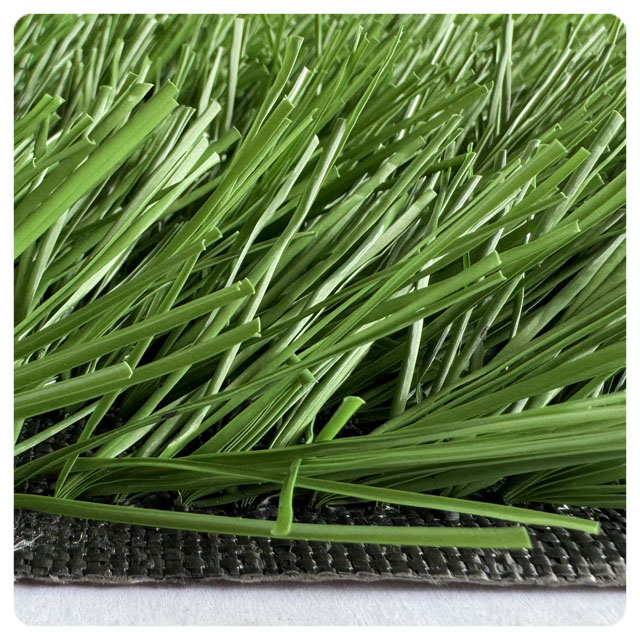
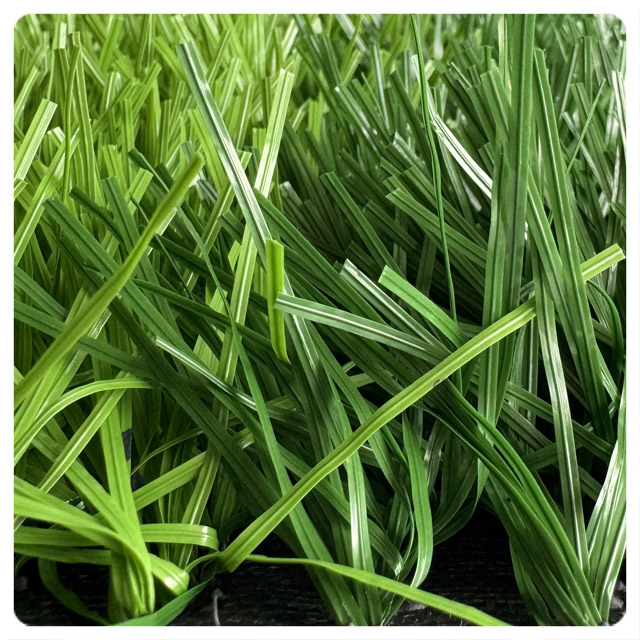
    For football fields, the turf needs to be designed with both player comfort and performance in mind. Shorter pile heights (around 40mm to 60mm) are often preferred, offering a smooth yet durable surface that facilitates fast play. The textured yarn helps reduce the slipperiness during rainy conditions, while the infill systems provide the necessary support and cushioning.

    MangoSports’ Triplex Series and ProPlay Series are ideal choices for football fields, combining durability and performance. These systems offer excellent abrasion resistance, a critical factor for football fields that experience high-impact collisions and constant movement.

  2. Rugby and American Football Turf

    Rugby and American football demand a more robust synthetic turf. These fields need turf that can support higher impact levels and more intense physical activity. Turf options with longer fibers (up to 60mm or more) and denser construction offer the necessary durability and shock absorption.

    The ProField Series from MangoSports provides optimal shock absorption and superior resistance to wear, making it perfect for rugby and American football applications. Its high-density construction and thicker pile height ensure excellent player protection while maintaining a stable and reliable surface.

  3. Multi-Sport Turf

    Multi-purpose sports fields, where activities like tennis, basketball, and athletics take place, require turf that can adapt to diverse uses without sacrificing performance. Medium pile heights (around 40mm) are suitable for these fields, offering a good balance between comfort and durability for a range of sports.

    EcoField Series offers versatile solutions that cater to different sports needs while promoting sustainability. Its reliable drainage system and durable composition make it an excellent choice for multi-purpose fields.
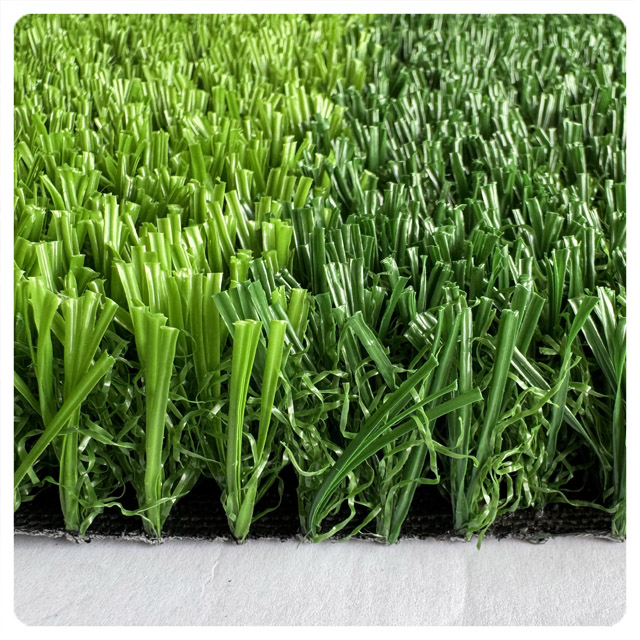
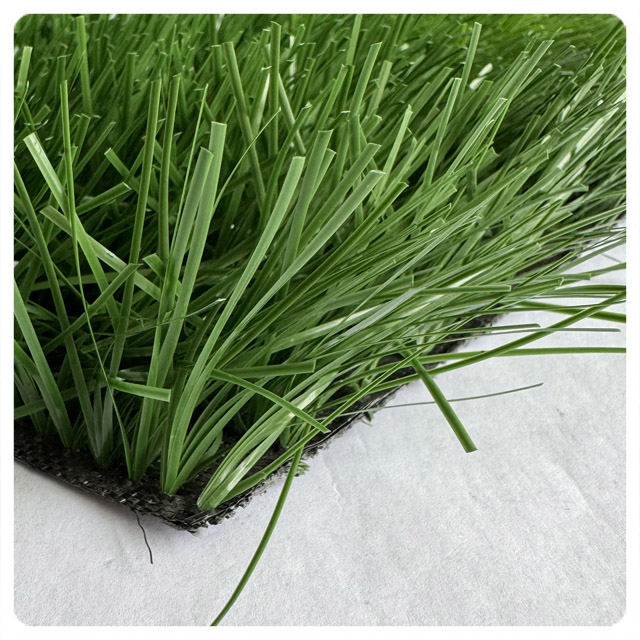
Artificial Grass Specifications

Pile HeightColor Options
Short:10mm-15mm
Medium:20mm-30mm
Tall:35mm-50mm
(Pile height affects softness,appearance, and overall feel.)
Green Shades:Fresh Green,Olive Green, Field GreenBrown
Shades:Beige,Light Brown,Dark Brown
(Various shades to match yourlandscaping or sports fieldneeds.)
DensityYarn Shape
Low Density: 10,000-12,000 stitches/㎡
Medium Density: 14,000-16,000 stitches/㎡
High Density: 18,000-20,000 stitches/㎡
(Higher density gives a more natural, lush appearance.)
Flat Yarn: Soft texture,ideal for landscaping.
S-Shaped Yarn: Curlylook,suitable for realistic applications.
C-Shaped Yarn: Maintains stable shape, perfect for high-trafficareas.

Why the Right Turf Matters ?

Selecting the right synthetic turf ensures not only the longevity of the field but also enhances player performance and safety. Turf systems that are specifically designed for the demands of a given sport can greatly improve the overall experience, whether for professional athletes or recreational players. With the right design, turf technology, and installation, sports facilities can maximize the functionality and appearance of their fields while minimizing long-term maintenance costs.

Tailoring your turf choice to the specific needs of your sports field will not only enhance the playing experience but also ensure the field remains in top condition for years to come.

FAQ

What is synthetic turf?
Synthetic turf is an engineered surface made from artificial fibers designed to replicate natural grass. It is commonly used in sports fields for durability, low maintenance, and year-round usability.

What are the benefits of artificial grass for sports fields?
Artificial turf offers consistent performance, weather resistance, low maintenance, and long-term cost savings. It is ideal for football, cricket, and tennis fields requiring high durability.

How much does it cost to install artificial grass for a football field?
The cost of installing artificial grass for a football field varies depending on turf quality, base preparation, and size, typically ranging from $5 to $12 per square foot.

What is the best turf texture for sports performance?
High-performance artificial turf features soft yet dense fibers that offer a natural feel, proper ball control, and player safety—especially important in football and tennis.
Categories
for sports

Hockey Artificial Grass

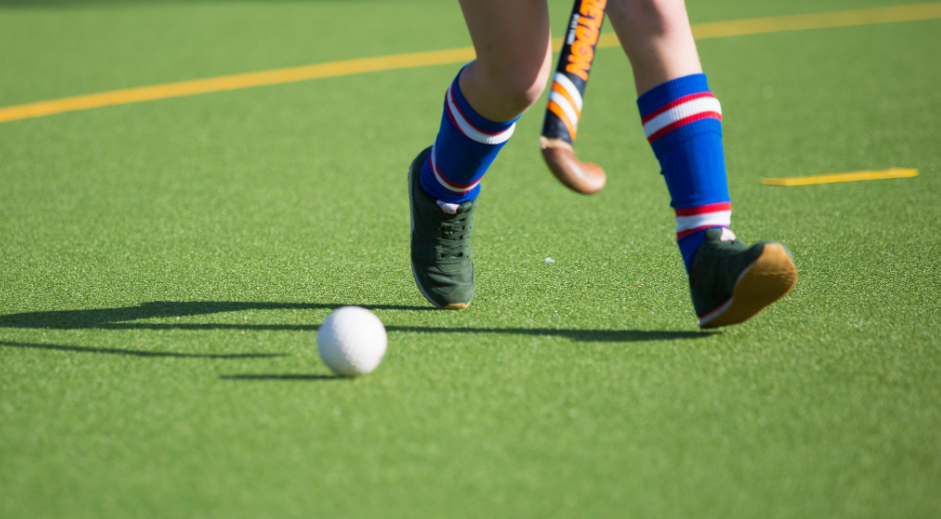
Hockey artificial turf is completely different from the football artificial turf that we are familiar with. Due to the characteristics of hockey, its turf must meet the requirements of good water retention, water permeability, strong wear resistance, excellent flatness, and anti-aging. And weather resistance, as well as high grass density, non-directional, always maintaining the direction of movement of the ball, and so on. There are also many requirements for the laying process of the venue. Among them, the dual requirements of water seepage and water retention on the court have put forward a new test for construction. According to the requirements, after the court is sprinkled with water for 35 minutes, the surface retains an average of 3mm of water, and in any place, The amount of water shall not be less than 2mm. To this end, it is recommended to use a five-layer laying method of lime, coarse asphalt, medium asphalt, rubber particle shock absorption layer, and artificial grass to meet the following basic requirements.

Artificial Hockey Grass Features

Good water retention and permeability;

Strong wear resistance and long service life;

Excellent flatness, anti-aging, and weather resistance;

The grass has high density, no directionality, and maintains the direction of the ball’s movement;

Thickened cushion layer, excellent sports performance, and foot feel;

Environmental protection, no pollution, no fading;

The artificial grass surface is shiny and not dazzling;

There are few seams and no marks.

hockey field

Daily maintenance and maintenance of hockey artificial turf

In order to ensure the quality of the ball and the anti-static requirements of the hockey field, the entire field must be pre-sprinkled before each game. According to the water permeability of the artificial turf, the water can generally be maintained for about two hours. (The International Music Federation stipulates that after 35 minutes of watering, the surface retains an average of 3mm of water, and the amount of water in any part should not be less than 2mm).

Daily maintenance tips:

It is strictly forbidden to bring food (except purified water) into the venue;

It is forbidden to directly contact the lawn with oily, corrosive, and other chemicals;

Sneakers with metal spikes are prohibited;

Prohibit heavy equipment and unnecessary traffic vehicles from entering the venue;

It is strictly forbidden to accumulate heavy objects on the lawn for a long time;

It is strictly forbidden to puncture, strike or cut the lawn with sharp tools and hard objects;

Do not intentionally overturn the bottom and destructively pull the grass line, sew the joint, etc.;

When there is less rainfall, artificial watering can be used to wash away the dirt on the grass;

Appropriately control the frequency of use of the site so that there is enough time to level the site fill (using special equipment or rakes);

Adhere to cleaning and maintenance once a month, and clean the garbage on the site in time (as far as possible to avoid cleaning the site during high-temperature periods);

Always check whether the suture is loose, whether the bottom is damaged, tearing, burning, etc. If there are problems such as degumming and wear, it should be repaired in time.

Hockey Field Construction System – Spraying

Hockey grass product material and characteristics

At present, artificial grass for hockey is mainly divided into PE (polyethylene), PP (polypropylene), and Nylon (nylon).

The advantages of PE polyethylene material

1. Good water retention, water permeability

2. High wear resistance and long service life

3. Excellent flatness, anti-aging, and weather resistance

4. The thickened cushion layer has excellent sports performance and foot feel

PP polypropylene material advantages

1. The terrain of the field becomes less during exercise, and the direction of movement of the ball is maintained;

2. More wear-resistant;

3. Good leveling performance, good anti-aging performance, and high weather resistance.

Advantages of nylon material

1. Good durability and long service life;

2. Good water retention performance, which can effectively reduce the burns of athletes;

3. No directionality, keep the movement direction of the ball.

We can supply hockey artificial grass certified by the International Hockey Association FIH to meet the needs of hosting the Olympic Games, World Cup, and other international events.

Categories
for sports

The origin of artificial grass and its growth

The development of artificial grass has a history of more than 60 years. It first originated in the United States. At that time, because the natural grass under the roof could not grow, in order to solve this problem, artificial turf was developed. Since then, artificial turf has spread from the United States to the world, forming a market situation of American grass, European grass, Australian grass and Asian grass, and American grass has stronger market competition due to its long history, advanced materials and technology force. Artificial grass fields have great advantages and will undoubtedly be used more and more commonly.

In many countries in the world, due to the influence of factors such as different geographical locations, extreme natural conditions and their respective economic conditions, and also because of the objective fact that a considerable number of natural grass fields must be equipped with roofs and other facilities, natural grass installation and maintenance becomes more difficult. It is under such specific conditions that synthetic grass shows its great advantages. After a long period of development, artificial grass technology has become relatively mature, and many technical indicators have been close to natural grass, which can meet the technical requirements of professional football games on the surface of the playing field.

In this context, in 2001, FIFA introduced the “FIFA Recommended” quality certification system. UEFA and many football associations responded immediately and arranged more and more international competitions to be held on artificial turf. On February 28, 2004, at the 118th annual meeting of the FIFA Council held in London, England, FIFA passed a resolution to allow the use of artificial turf in professional competitions. In August 2005, FIFA and UEFA unified the “testing and certification standards for football pitches” and launched a higher standard FIFA two-star standard test, agreeing that the World Cup finals can be played on artificial turf pitches that meet the above standards. held above

The recommendation and green light of artificial turf by various international football institutions and sports departments has provided favorable conditions for promoting the popularization and application of artificial turf in hot regions, alpine regions and those countries and regions whose economic conditions are not suitable for planting natural grass. .

With the development of the market, artificial grass has undergone great changes in materials, technology, construction, etc. The purpose of these changes is to make artificial grass closer to natural grass in terms of sports performance, which can be roughly divided into the following stages :

The first stage: The main material is nylon 6 (polycaprolactam), which is drawn and inserted into the base fabric. Carpet-like, poor elasticity; expensive.

The second stage: It is mainly made of polypropylene (pp) material, which is also extruded and drawn into the base cloth. After paving, it is filled with quartz sand particles. The hardness is high, but the price is cheap.

The third stage: It is mainly made of polyethylene (PE) material, which is also made of extruded wire and inserted into the base cloth. After paving, it is filled with quartz sand and rubber particles. It has the elasticity of natural grass and has great sports performance. for improvement;

The fourth stage: Taking FIFA certification as the standard, focusing on the construction of system engineering such as foundation and construction. In this stage, in addition to mesh products, there are also straight and curved products. The materials are pe and pp mixed, pe and nylon are mixed, Sports performance is further enhanced.

The fifth stage: mainly monofilament grass, in addition to the pursuit of sports performance, but also the pursuit of a more ideal appearance, while paying more attention to the construction of the system.

The sixth stage: mainly curly grass, a sports and leisure grass specially tailored for noble sports such as gate courts and golf. The development of artificial grass is accompanied by more and more people who truly experience the fun of sports.

Get Your FREE Turf Sample & Quote Today – Experience Quality Before You Buy!